
- 1. What Is the Difference Between Natural Grain and Embossed Leather?
- 2. How to Identify Natural Grain and Embossed Leather
- 3. How Do Natural Grain and Embossed Leather Differ in Appearance?
- 4. Which Leather Grain Should You Choose for Sofas and Furniture?
- 5. Frequently Asked Questions About Natural Grain and Embossed Leather
- Conclusion
When choosing leather for sofas, dining chairs, or other furniture, grain is one of the factors that influences how the material looks and feels. Some leather surfaces feature irregular patterns that create a natural appearance, while others have more defined, consistent, and repetitive textures.
So, what is the difference between natural grain and embossed leather? How can you identify these surface characteristics and choose the right grain for your interior?
1. What Is the Difference Between Natural Grain and Embossed Leather?
Before comparing the two, it is important to understand that natural grain describes the characteristics of a leather surface, whereas embossing is a process used to create patterns on a material's surface. These concepts are not necessarily mutually exclusive.
What Is Natural Grain Leather?
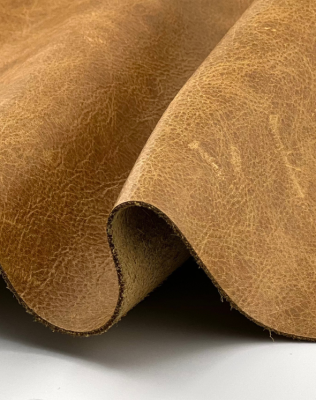
GM543 - High Level Collection
Natural grain refers to the lines, wrinkles, pores, and surface characteristics that develop as an animal's hide grows. Depending on the raw material and finishing process, some or many of these original characteristics may remain visible on the finished leather.
One of the most noticeable features of natural grain is its irregularity. Subtle variations in the shape, size, and distribution of the grain give different areas of the hide their own distinctive appearance.
In interior design, leather with visible natural grain is often chosen to highlight the authenticity of the material, create a sense of warmth, and avoid an overly uniform appearance.
What Is Embossed Leather?
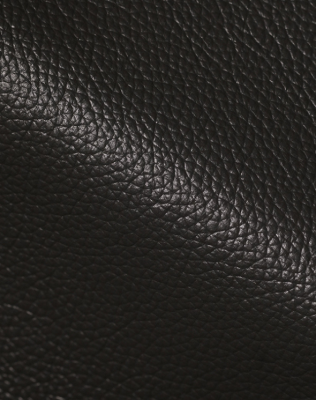
GM527 - Corniglia Collection
Embossed leather features a pattern created by pressing a design into the material's surface, typically using a textured plate or roller.
This process can produce a wide variety of textures, including fine pebbled grain, larger grain patterns, and designs that imitate the appearance of natural leather. Depending on the embossing pattern and finishing technique, the resulting texture may have clearly defined details, a consistent appearance, or varying degrees of depth.
Embossing does not automatically mean that a material is synthetic leather. Genuine leather can also be embossed during the finishing process to modify its surface appearance. For example, Corrected Grain leather may undergo surface treatment and embossing to achieve a more uniform finish.
To learn more about this type of leather, read our article: [What Is Corrected Grain Leather?]
2. How to Identify Natural Grain and Embossed Leather
Examining the surface is a useful first step in identifying leather grain characteristics. However, visual inspection provides only an initial assessment and cannot replace verification of the material's specifications.
Examine the Shape and Repetition of the Grain Pattern
Natural grain often varies across the surface. Grain lines may differ in spacing, depth, and shape, creating a less uniform overall appearance.
In contrast, embossed leather may display a more consistent pattern across a larger area. Some designs have recognizable repeating elements, particularly when the pattern is created using a fixed embossing design.
However, not every embossed pattern has an easily identifiable repetition. Similarly, natural leather that has undergone surface treatment may also appear relatively uniform.
Examine the Texture and Feel
When inspecting leather in person, pay attention to the depth of the grain lines, the raised areas of the pattern, and the surface feel when touched gently.
Some embossed leathers have clearly defined patterns with relatively consistent depth. By comparison, leather that retains more of its natural surface characteristics may show greater variation from one area to another.
Nevertheless, softness, roughness, and tactile feel also depend on the leather type, surface finish, and treatment processes. Leather quality should not be judged solely by whether the material feels soft or firm.
Why Is Grain Pattern Alone Not Enough to Identify Leather?
A surface with natural-looking patterns does not automatically prove that a product is made from genuine leather with minimal surface alteration. Likewise, a uniform grain pattern does not mean that the material is synthetic.
In practice, leather surfaces may undergo various treatments to adjust their color, consistency, and pattern. Sanding and embossing can also be used on genuine leather to create a more uniform appearance.
To learn more about surface treatment and the characteristics of leather finished for greater consistency, explore our article: [Corrected Grain Leather – Engineered for Consistency and Durability]
To assess a leather material more accurately, buyers should check the following:
-
Material composition: Determine whether the product uses genuine leather, synthetic materials, or a combination of materials.
-
Finishing method: Check whether the surface retains its natural grain, has been treated for greater uniformity, or features an embossed pattern.
-
Physical samples: Examine a sample under suitable lighting and compare it with the supplier's product information.
-
Technical specifications: Review information about durability, cleaning requirements, and suitability for the intended application.
3. How Do Natural Grain and Embossed Leather Differ in Appearance?
The differences between these two surface characteristics go beyond pattern shape. They also influence how the material looks and feels when used in interior applications.
| Criteria | Natural Grain Leather | Embossed Leather |
|---|---|---|
| Grain characteristics | Natural variations across the surface | Patterns created according to a specific design |
| Uniformity | May vary across different areas and hides | Generally offers greater control over pattern consistency |
| Visual effect | Authentic, dimensional, and distinctive | Can appear defined, structured, and consistent |
| Design versatility | Suitable for designs that emphasize the material's natural character | Adaptable to a wide range of patterns and design styles |
| What to consider | Examine physical samples to understand the degree of variation | Check the pattern depth, density, and overall appearance |
Neither type of grain is ideal for every design. Natural grain can create a refined look that highlights the character of the material, while embossed grain gives designers greater control over the surface pattern.
The final aesthetic also depends on color, lighting, furniture shape, complementary materials, and the overall interior layout.
4. Which Leather Grain Should You Choose for Sofas and Furniture?
Rather than assuming that natural grain or embossed grain is inherently superior, buyers should consider their design preferences and practical requirements.

When You Prefer a Natural Look and Distinctive Character
If you want a sofa to become a focal point in your interior, leather with visible natural grain may be worth considering. Subtle surface variations can create an authentic material appearance, particularly when paired with neutral colors and minimalist furniture details.
This option is suitable for designs that emphasize material character and a less uniform aesthetic. However, examine physical samples to ensure that variations in grain and color match your expectations.
When You Prefer Consistency and a Uniform Appearance
For projects that require a relatively consistent appearance across multiple furniture pieces, embossed leather can offer greater control over the surface pattern.
This may be an important consideration when selecting upholstery for matching sofa sets, dining chairs, or commercial interiors containing multiple pieces with the same design.
Nevertheless, the actual level of consistency depends on the material and finishing process. Buyers should review samples and confirm the degree of uniformity that the supplier can provide.
When You Need to Balance Aesthetics and Functionality
For sofas used every day, grain pattern is only one part of the selection process. Cleanability, finish durability, frequency of use, and maintenance requirements should also be considered.
For example, a sofa in a household with young children or pets should be selected based on its actual cleaning and durability requirements. It should not be assumed that one grain type is easier to clean than another without considering the specific material and finish.
To make an informed decision, evaluate three factors together: surface appearance, technical performance, and intended use.
5. Frequently Asked Questions About Natural Grain and Embossed Leather
Is Embossed Leather the Same as Faux Leather?
No. Embossing is a process used to create a surface pattern; it does not determine whether a material is genuine or synthetic leather. Both genuine leather and certain synthetic materials can be embossed using suitable techniques.
Can Genuine Leather Have an Embossed Grain?
Yes. Some genuine leather products are treated and embossed to create specific patterns or improve surface uniformity. It is therefore important to distinguish the origin of the material from the process used to finish its surface.
Is Embossed Leather the Same as Corrected Grain Leather?
Not necessarily. Corrected Grain refers to a category of leather whose surface has been treated to improve or standardize its appearance. The process may involve sanding, surface treatment, and embossing.
However, embossing can also be used in other finishing processes. A leather product cannot be identified as Corrected Grain solely by observing an embossed pattern.
How Can You Choose the Right Leather for a Sofa?
Start by identifying your interior style, preferred colors, and intended use. Then examine physical leather samples, review technical specifications, and ask the supplier about the material's origin, finishing methods, and maintenance requirements.
Conclusion
Natural grain and embossed leather differ primarily in their surface characteristics and how their patterns are formed. Natural grain reflects variations inherent in the hide, while embossing creates patterns according to a specific design and can provide greater control over surface consistency.
When selecting leather for sofas or other furniture, the goal should not be to assume that one grain type is always better than the other. Instead, understand the characteristics of each option and evaluate how well they meet your aesthetic and functional requirements.
GreenMoss encourages customers to review material specifications and examine physical leather samples before making a decision, helping them choose a solution that suits their interior design preferences and intended use.