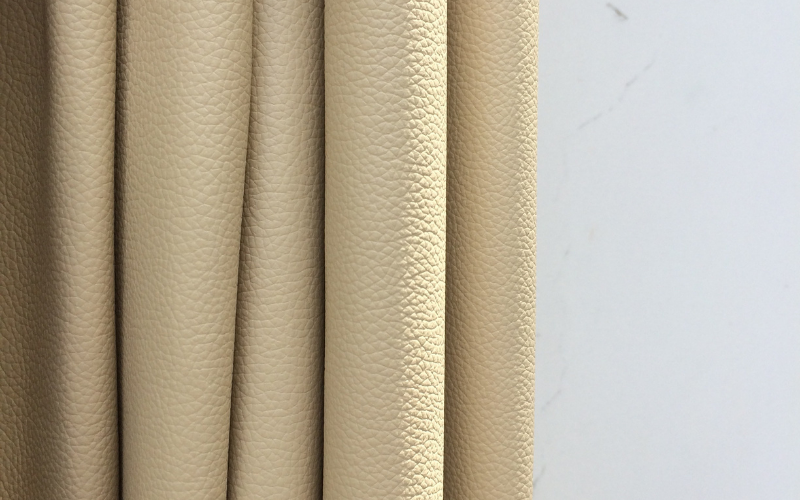
GM514 - Corniglia Collection
2. Key Characteristics
-
Uniform surface: fewer visible scars and imperfections compared to full-grain leather
-
Embossed grain options: adjustable patterns (fine or coarse grain) to suit design needs
-
Light pigment coating: improves stain and moisture resistance
-
High color stability: less prone to fading than Aniline leather
-
Versatile applications: suitable for sofas, office seating, footwear, and leather goods
3. Technical Performance (EN/ISO Standards)
-
Tensile strength (EN ISO 3376): 8–12 N/mm²
-
Flex resistance (EN ISO 5402): > 20,000 cycles
-
Light fastness (EN ISO 105-B02): Grade 3–4 (good)
-
Abrasion resistance (Martindale EN ISO 5470-2): 5,000–10,000 cycles
-
Water vapor permeability (EN ISO 14268): Low, due to surface coating
Corrected Grain delivers strong functional performance, though with reduced natural breathability compared to Aniline or Semi-Aniline leather.
4. Advantages & Limitations
Advantages
-
Excellent color durability and easy maintenance
-
Uniform appearance, ideal for mass production
-
More accessible pricing than full-grain Aniline leather
-
High flexibility in color, grain, and surface finishing
Limitations
-
Reduced natural character and breathability
-
Less soft and tactile than Aniline or Semi-Aniline
-
Limited patina development over time
5. Sustainability & International Standards
Corrected Grain leather supplied by GreenMoss complies with:
-
ISO 9001 & ISO 14001 – quality and environmental management
-
REACH compliance – safe chemical use
-
LWG Gold Rated tanneries – strict control of buffing and surface-finishing processes
By utilizing hides with natural imperfections that might otherwise be discarded, Corrected Grain optimizes raw material usage, helping reduce waste and improve overall supply-chain efficiency.
6. Practical Applications
- Commercial interiors: offices, hotels, restaurants
-
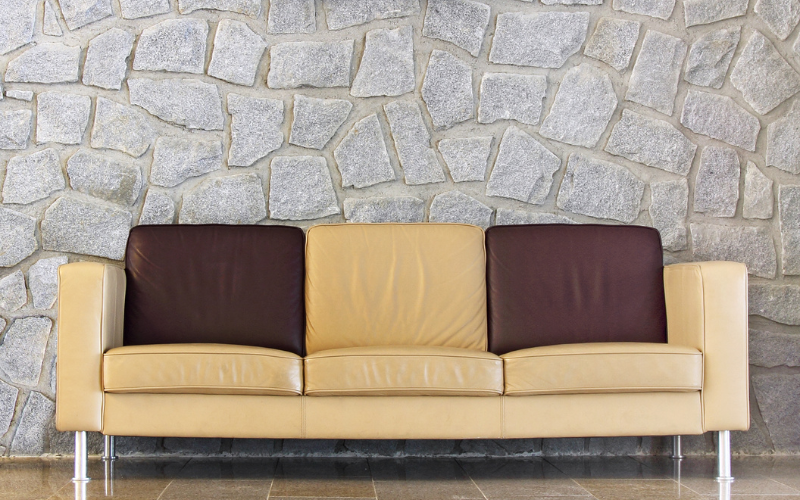
Residential furniture: sofas, armchairs, upholstered beds
-
Automotive (mainstream segment): seating surfaces, interior panels
-
Fashion accessories: shoes, bags, wallets
Case in Vietnam:
A restaurant furniture brand in Sala District selected Corrected Grain instead of Semi-Aniline for a large seating project. The decision was driven by ease of cleaning (oil and food stains), consistent color across large quantities, and a cost saving of approximately 15% compared to Semi-Aniline.
7. Care & Maintenance Guidelines
For end users
-
Clean regularly with a damp soft cloth
-
Avoid alcohol or strong solvents
-
Condition leather 1–2 times per year with suitable leather care products
For manufacturers
-
Ideal for clients seeking practical, cost-effective solutions
-
Easy to match colors across large projects
-
When upholstering, avoid excessive stretching to prevent cracking of the surface coating
8. Quick Comparison of Upholstery Leather Types
| Criteria | Aniline | Semi-Aniline | Pigmented | Corrected Grain | Nubuck |
|---|
| Surface |
Natural grain |
Natural grain + light protective coating |
Heavy pigment coating |
Buffed & embossed grain |
Lightly buffed, velvety surface |
| Color Fastness |
Low (2–3/5) |
Fair (3–4/5) |
Very high (4–5/5) |
High (4/5) |
Low (2–3/5) |
| Stain Resistance |
Low |
Medium |
Very high |
High |
Very low |
| Touch & Feel |
Most natural |
Soft, practical |
Slightly artificial |
More artificial |
Velvety, luxurious |
| Maintenance |
Difficult |
Moderate |
Easy |
Easy |
Difficult |
9. Conclusion
At GreenMoss, we consider Corrected Grain a form of “premium industrial leather.” It is neither as raw and expressive as Aniline, nor as heavily coated as Pigmented leather, but sits comfortably in between—where aesthetics, performance, and cost efficiency are well balanced.
We often recommend Corrected Grain to clients who require large volumes, consistent appearance, durability, and easy maintenance, while still valuing the authenticity of genuine leather over synthetic alternatives.
Corrected Grain represents a practical and efficient solution for modern living: uniform, durable, economical—yet unmistakably more refined than artificial materials.
For the Vietnamese market, it remains one of the most reliable and versatile leather options, perfectly aligned with contemporary interior needs.
All information compiled and edited by GreenMoss from trusted industry sources, for reference purposes.