
When discussing genuine leather, terms such as Full Grain, Top Grain, and Corrected Grain are often mentioned. Among them, Corrected Grain Leather is a specially processed type of real leather designed to eliminate surface imperfections—and it is increasingly used in modern interior projects.
This article will help you understand what Corrected Grain leather is, how it differs from other leather types, and whether it is the right choice for your interior application.
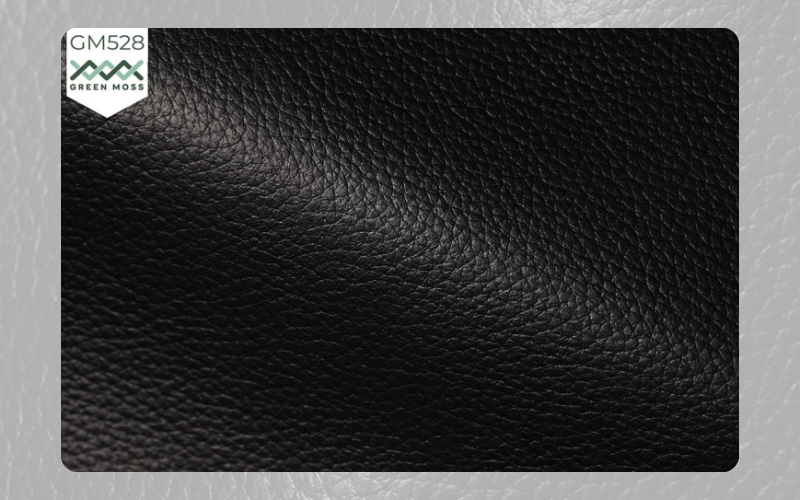
1. What Is Corrected Grain Leather?
Corrected Grain Leather is genuine leather—typically sourced from the upper layer of cowhide—but its surface has been lightly sanded, buffed, or embossed to remove natural imperfections such as scars, large pores, insect bites, or uneven grain. After this correction process, the leather is coated with a pigmented finish and embossed with a uniform grain pattern. The result is a smoother, more consistent appearance that is easier to maintain compared to untreated leather.
2. Key Characteristics of Corrected Grain Leather
-
Material origin: Genuine leather, usually from the upper layer of the hide
-
Surface treatment: Light sanding or buffing, followed by artificial embossing
-
Finish: Pigmented coating for color consistency and stain resistance
-
Grain appearance: Uniform and consistent, with natural imperfections removed
Material origin: Genuine leather, usually from the upper layer of the hide
Surface treatment: Light sanding or buffing, followed by artificial embossing
Finish: Pigmented coating for color consistency and stain resistance
Grain appearance: Uniform and consistent, with natural imperfections removed
3. Advantages of Corrected Grain Leather
-
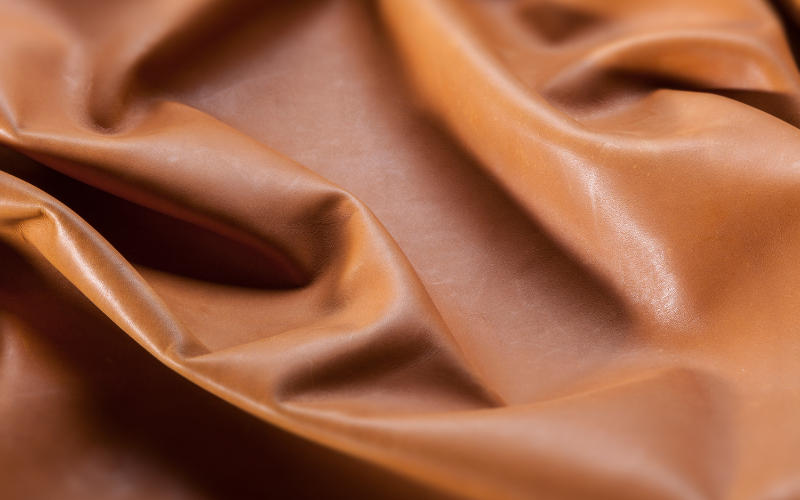
Easy to clean, stain-resistant, and color-stable
-
Uniform appearance, ideal for modern interior designs
-
More cost-effective than Full Grain or Aniline leather
-
Less sensitive to environmental conditions
-
Suitable for high-traffic areas such as public spaces and showrooms
Easy to clean, stain-resistant, and color-stable
Uniform appearance, ideal for modern interior designs
More cost-effective than Full Grain or Aniline leather
Less sensitive to environmental conditions
Suitable for high-traffic areas such as public spaces and showrooms
4. Disadvantages to Consider
-
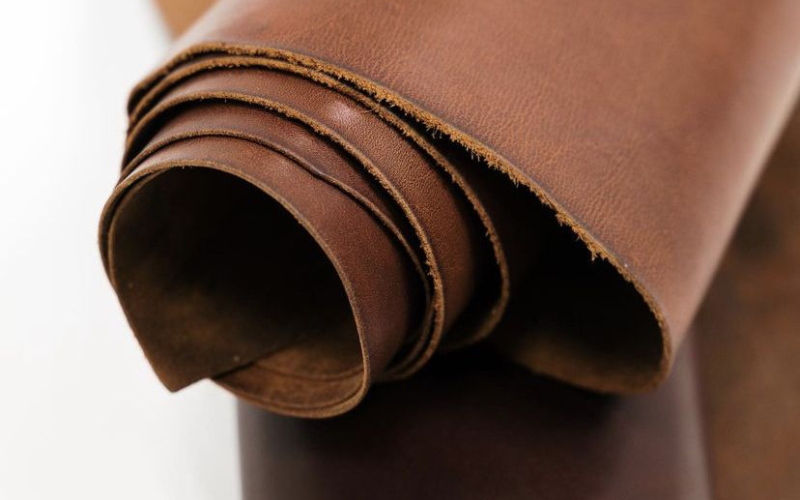
Lacks the natural softness and organic feel of Full Grain or Aniline leather
-
Does not develop patina over time
-
May feel slightly firmer if the pigmented coating is applied too thickly
Lacks the natural softness and organic feel of Full Grain or Aniline leather
Does not develop patina over time
May feel slightly firmer if the pigmented coating is applied too thickly
5. Comparison: Corrected Grain vs. Other Leather Types
Leather Type Surface Characteristics Appearance Patina Durability Price Level
Full Grain
Natural grain, unaltered
Unique
Yes
High
High
Top Grain
Lightly sanded, refined
Smooth
Mild
Quite high
Medium–High
Corrected Grain
Sanded & embossed
Uniform
No
Stable
Medium / Cost-effective
| Leather Type | Surface Characteristics | Appearance | Patina | Durability | Price Level |
|---|---|---|---|---|---|
| Full Grain | Natural grain, unaltered | Unique | Yes | High | High |
| Top Grain | Lightly sanded, refined | Smooth | Mild | Quite high | Medium–High |
| Corrected Grain | Sanded & embossed | Uniform | No | Stable | Medium / Cost-effective |
6. When Should You Use Corrected Grain Leather?
-
Corrected Grain is an ideal choice if you:
-
Need genuine leather with a clean, consistent surface
-
Require easy maintenance and stable color performance
-
Are working on high-use interior projects such as offices, hotels, showrooms
-
Want a more budget-friendly solution than Full Grain or Aniline, without compromising durability
-
7. Conclusion
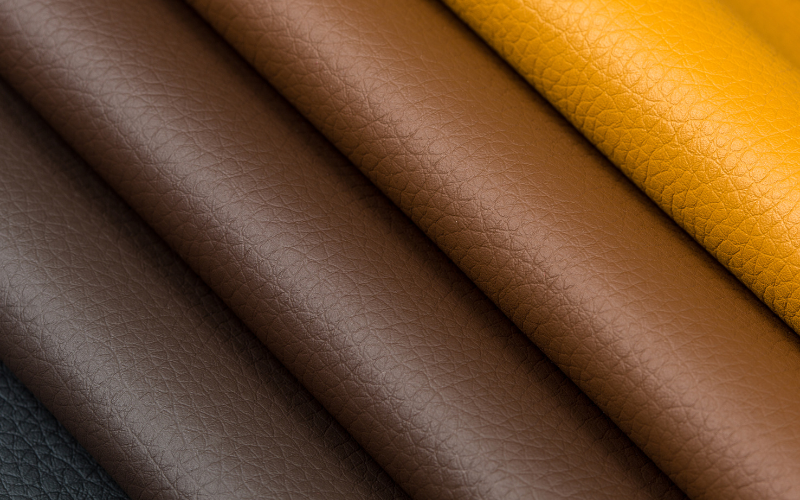
Corrected Grain Leather is a processed genuine leather solution that strikes a balance between aesthetics, practicality, and cost efficiency. While it does not offer the raw, natural character of Full Grain leather, its stability, durability, and ease of maintenance make it a popular and practical choice for modern interior projects.