Menu

Leather Insight Journal
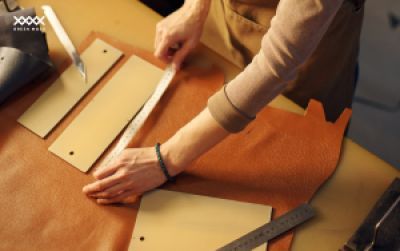
From Tuscany to Vietnam – The Borderless Journey of Craftsmanship
In the world of material connoisseurs, Tuscany has long been regarded as the birthplace of Italian leather craftsmanship.

The Durability of Italian Leather in Tropical Climates
Vietnam and many Southeast Asian countries lie within a hot and humid tropical climate, presenting several challenges for natural materials
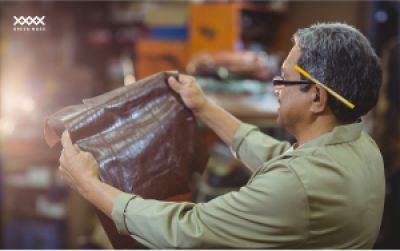
When Leather Enters the Circular Economy – Sustainable Solutions from Italian Bovine Leather
As sustainable development becomes a global priority, the leather industry is also undergoing significant transformation.

Italian Leather & Sensory Design: When a Lounge Chair Becomes an Emotional Experience
Traditional interior design has long focused on the visual—color, lighting, and spatial composition.
Sensory Design, however, goes further.

Applications of Italian Leather in High-End Interior Acoustic Design
In high-end interior design, acoustic performance is a critical yet often overlooked factor. Spaces such as conference rooms, lounge bars, resorts, and private residences must not only look refined, but also sound comfortable—with reduced reverberation, controlled echoes, and enhanced acoustic privacy.
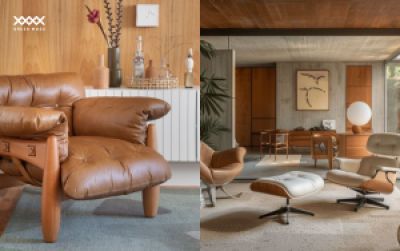
The Impact of Italian Leather on Emotion and Comfort in Living Spaces
In contemporary interior design, wellness living goes beyond visual beauty. It emphasizes emotional comfort, mental well-being, and a sense of calm within everyday spaces.

The Trend of Combining Leather & Wood in High-End Interior Design
In interior design, material combinations have always been a source of fresh experiences. Among them, leather and wood are two timeless materials—closely associated with both aesthetics and functionality.
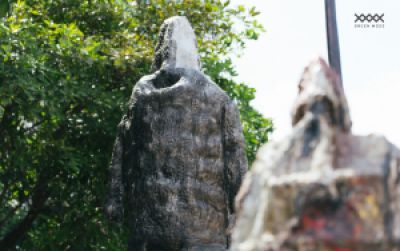
Why Does GreenMoss Choose to Walk Alongside Contemporary Art?
The answer does not lie in logos, but in the spirit of material. And GreenMoss chooses to tell its story in a different way—through contemporary art.
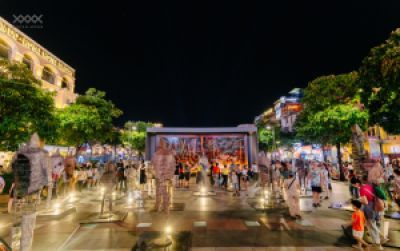
GreenMoss and the Social Impact of a Public Exhibition
In an era where public attention is increasingly fragmented by fleeting images and short-lived trends, the fact that a public art exhibition could draw millions of people to pause, reflect, and share their experience is, in itself, remarkable.
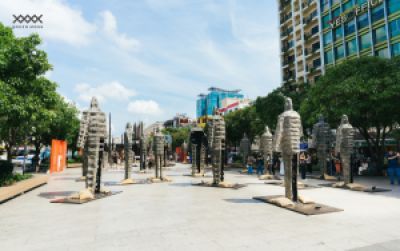
Memory Does Not Live Only in History Books — When a Pedestrian Street Becomes a Living Museum
The installation exhibition “From the Victory of Bạch Đằng to the Great Victory of April 30, 1975” did not take place in a museum.

Address: 163, Dien Bien Phu, Ward 15, Binh Thanh District, Ho Chi Minh City
Email: inforgreenmoss@gmail.com
Hotline for sample consultation & quotation: 0389.359.369