
- 1. Tropical Climate Challenges for Italian Leather
- 3. Comparison of Italian Leather Types in Tropical Climates
- 4. Best Practices to Ensure Leather Durability in Tropical Conditions
1. Tropical Climate Challenges for Italian Leather
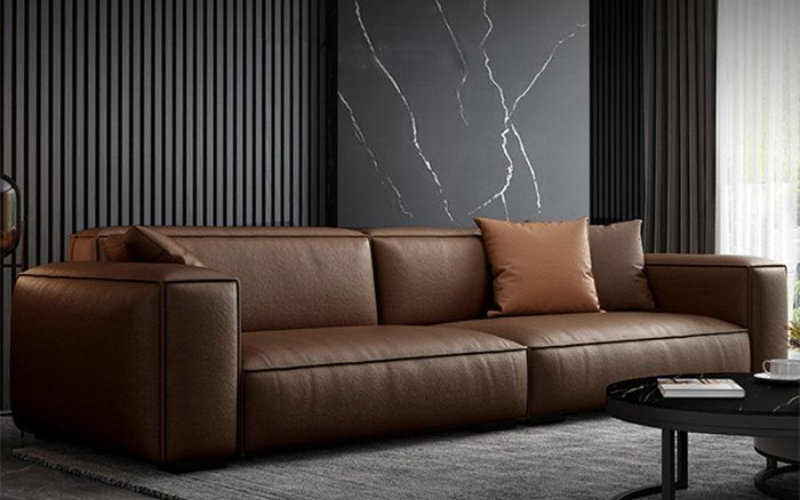
Vietnam and many Southeast Asian countries lie within a hot and humid tropical climate, presenting several challenges for natural materials:
-
Intense sunlight
UV exposure can cause color fading and surface dryness. -
High humidity
Creates favorable conditions for mold growth, especially during storage or low usage periods. -
Rapid temperature fluctuations
Can affect elasticity, increasing the risk of cracking if leather is not properly maintained.
This raises a common question:
Is Italian leather—renowned in Europe—truly suitable for such demanding environments?
2. Technical Performance of Italian Leather in Harsh Conditions
Color Fastness (Light Fastness)
-
Semi-aniline & pigmented leather
Achieve ≥ Grade 4 on the Blue Scale, offering strong resistance to fading under intense light. -
Aniline leather
Preserves natural color depth but is more sensitive to direct sunlight and requires shading.
Flex Resistance
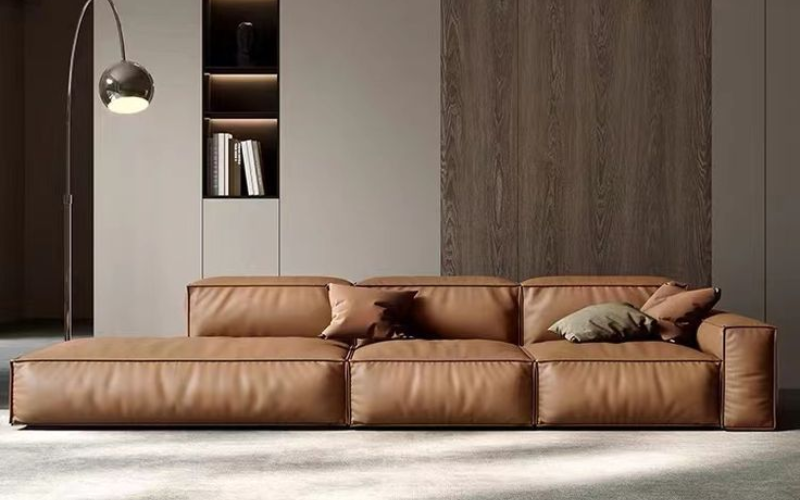
High-quality Italian leather typically withstands ≥ 50,000 flex cycles, maintaining integrity even under temperature variation without cracking.
Mold Resistance
Thanks to REACH-compliant tanning processes and controlled chemical residues, Italian leather presents a significantly lower risk of mold compared to lower-grade alternatives.
Moisture & Abrasion Resistance
-
Semi-aniline & pigmented finishes
Feature a thin protective coating that limits moisture absorption and facilitates cleaning. -
Aniline & nubuck
Are more sensitive to humidity but offer unmatched natural aesthetics and tactile refinement.
3. Comparison of Italian Leather Types in Tropical Climates
| Leather Type | Advantages | Limitations | Recommended Applications |
|---|---|---|---|
| Aniline | Natural grain, beautiful patina | Sensitive to sunlight & moisture | Shaded living rooms, reading rooms, low-humidity interiors |
| Semi-Aniline | Balance of natural look & durability | Requires periodic care | Sofas, dining chairs, indoor lounge bars |
| Nubuck | Soft, luxurious, tactile | Sensitive to humidity & oils | Headboards, climate-controlled retreat spaces |
| Corrected / Pigmented | Highly durable, easy to clean | Less organic appearance | Restaurants, hotels, public interiors |
4. Best Practices to Ensure Leather Durability in Tropical Conditions
Smart Placement
-
Avoid positioning leather furniture under prolonged direct sunlight.
-
Use curtains or UV-filtered glazing to minimize UV exposure.
Humidity Control
-
Maintain indoor humidity at 45–55% to prevent mold growth.
-
Storage areas should be well-ventilated with consistent airflow.
Regular Maintenance
-
Clean with a soft cloth and pH-neutral leather cleaner.
-
Apply professional leather conditioner every 6–12 months.
-
Use specialized brushes and erasers for spot treatment.
Selecting the Right Leather
-
Semi-aniline or pigmented leather for active households and humid environments.
-
Aniline & nubuck for decorative or climate-controlled spaces.
5. Why Choose GreenMoss Leather?
-
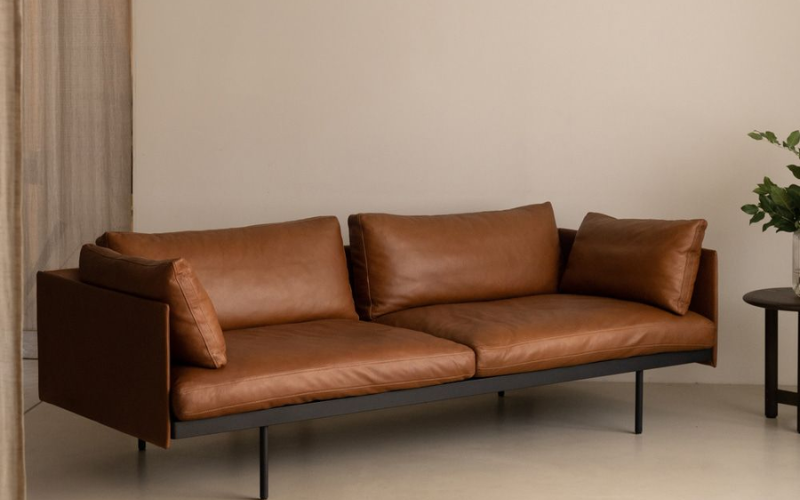
All products comply with LWG Silver/Gold, REACH, CO/CQ, ensuring safety, durability, and sustainability.
-
Over 2,000 Italian leather references stocked in Ho Chi Minh City and Đồng Nai, with sample delivery in 24–48 hours.
-
Expert consultation: GreenMoss partners with architects and designers to select the most suitable leather for tropical climates and specific project requirements.
6. Conclusion
Leather in Extreme Conditions is not merely a challenge—it is an opportunity to affirm the true value of Italian leather: durable, elegant, and adaptable when correctly selected and maintained.
With GreenMoss, clients receive more than authentic Italian leather. They gain a comprehensive solution—from material consultation and color coordination to maintenance guidance and long-term quality assurance, specifically tailored to Vietnam’s tropical climate.