Menu

Leather Heritage
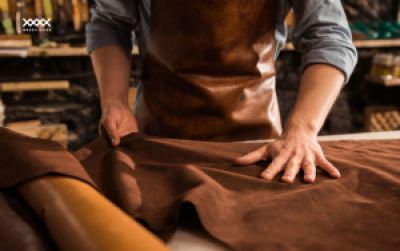
What Is Eco-Tanning?
While traditional leather tanning consumes millions of liters of water and releases significant amounts of harmful chemicals, eco-tanning solutions are opening a new path—sustainable, resource-efficient, and environmentally responsible.
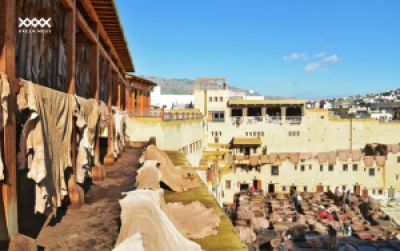
The History of Italian Leather Tanning: From Ancient Rome to the World’s Leather Capital
Leather tanning in Italy is a long-standing cultural heritage, closely tied to the rise of renowned centers such as Florence, Pisa, Venice, and Santa Croce sull’Arno.
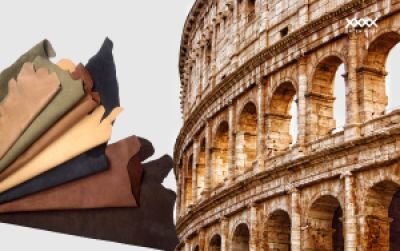
Leather Tanning Technologies – From Traditional Methods to Modern Innovations
Have you ever held a leather product and wondered:
“Why is this leather soft and evenly colored, while another feels firmer with a more natural grain?”
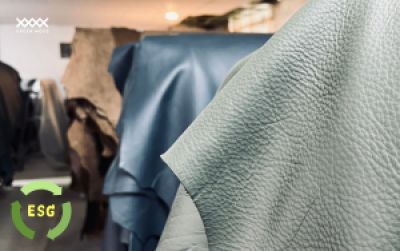
Genuine Leather & the ESG Footprint: Environmental Responsibility in Every Hide
Can genuine leather—derived from animal sources—align with sustainable development goals? At GreenMoss, we believe the answer is yes—when leather is processed responsibly, sourced transparently, and used with respect for natural resources.
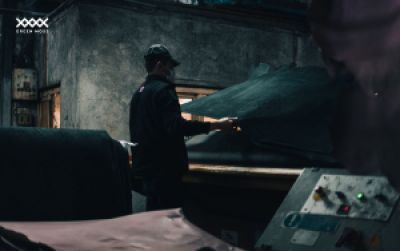
From Traditional Craftsmanship to Green Technology: The Legacy of Italian Leather Through Time
From small villages in Tuscany to renowned tanneries in Vicenza, Italian leather craftsmanship has long been a symbol of precision, refinement, and prestige.
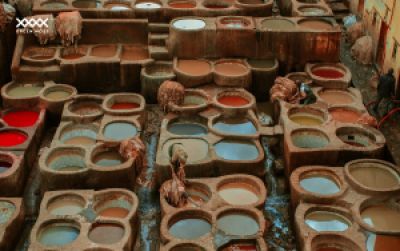
Wet Blue and Wet White in the Leather Industry: Key Foundations of Finished Leather
In the leather tanning industry, Wet Blue and Wet White are two fundamental tanning stages that serve as the foundation for developing a wide range of finished leather types.
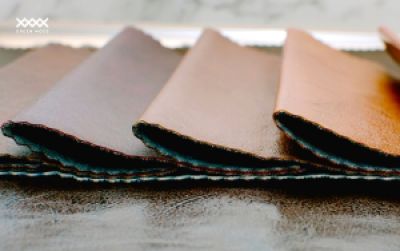
From Raw Hide to Finished Leather: Understanding Wet Blue, Crust, and Finishing Stages
In the leather industry, producing finished leather for interiors, fashion, or automotive applications requires a multi-step process.

Address: 163, Dien Bien Phu, Ward 15, Binh Thanh District, Ho Chi Minh City
Email: inforgreenmoss@gmail.com
Hotline for sample consultation & quotation: 0389.359.369