
The History of Italian Leather Tanning: From Ancient Rome to the World’s Leather Capital
Leather tanning in Italy is a long-standing cultural heritage, closely tied to the rise of renowned centers such as Florence, Pisa, Venice, and Santa Croce sull’Arno.
More than a technical craft, Italian tanning represents the essence of traditional craftsmanship—where quality, sustainability, and aesthetics evolve in parallel.
I. An Overview of the History of Leather Tanning in Italy
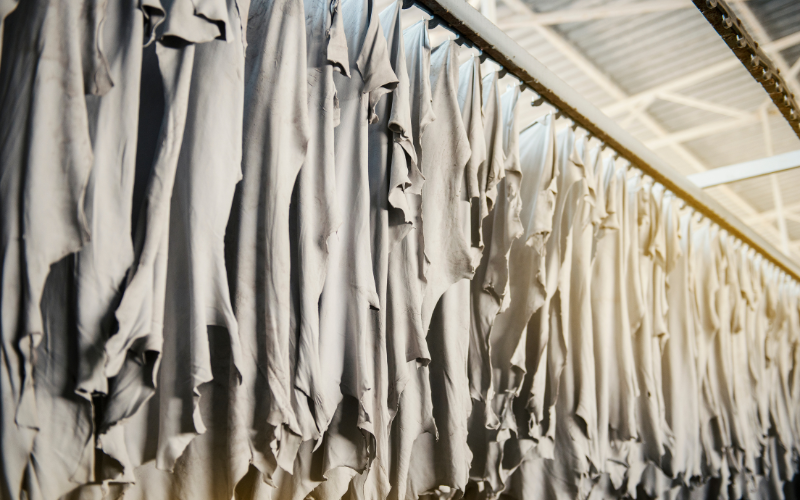
Leather tanning in Italy spans over 2,000 years, from Ancient Rome to the modern era. Through successive periods—the Middle Ages, the Renaissance, and the Industrial Revolution—regions such as Santa Croce sull’Arno (Tuscany) and Arzignano gradually emerged as Europe’s leather capitals, celebrated for exceptional quality and refined craftsmanship.
Source: UNIC – Italian Tanneries National Union; Leather Naturally
II. Key Developmental Periods
1. Antiquity: Origins in Ancient Rome (1st century BC – 5th century AD)
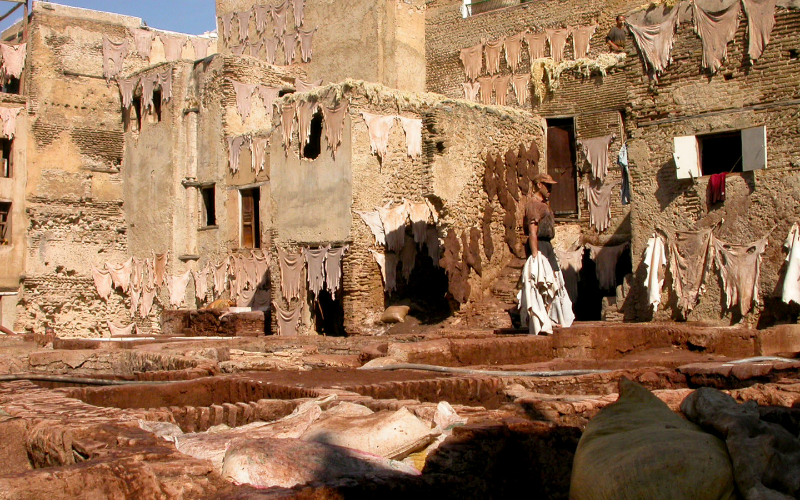
The Romans used leather extensively for footwear, armor, belts, and daily utensils. At the time, tanning relied mainly on natural tannins from oak bark, providing durability and water resistance.
Archaeological evidence from Pompeii reveals tanning tools in small workshops located near water sources—where soaking, washing, and hide processing took place.
Source: M.M.S. Babbitt, Journal of Roman Studies, 1992
2. The Middle Ages: Guilds and Craft Villages (10th–15th centuries)
This period saw the formation of leather guilds such as Arte dei Cuoiai and Arte dei Calzolai, which regulated quality standards and protected craftsmen’s rights. Tanneries flourished in Florence, Pisa, and Venice—especially in Santa Croce sull’Arno, where abundant water resources supported leather processing. In Florence, leather tanning was considered a prestigious profession, governed by strict regulations to ensure material hygiene and protect river ecosystems. S
ource: G. Levi, Medieval Italy: An Encyclopedia (Routledge, 2004)
3. The Renaissance: Italian Leather Goes Global (16th–18th centuries)
The expansion of trade and the Renaissance’s aesthetic philosophy elevated Italian leather to a major export commodity across France, England, Spain, and the Middle East.
Vegetable-tanned leather became particularly valued for its natural beauty and durability. Travel accounts attributed to Marco Polo mention Italian leather belts and bags favored by Middle Eastern merchants for their rich color and supple texture.
Source: P. Howard, Leather International, 2001
4. 19th–20th Centuries: Industrialization and Post-War Revival
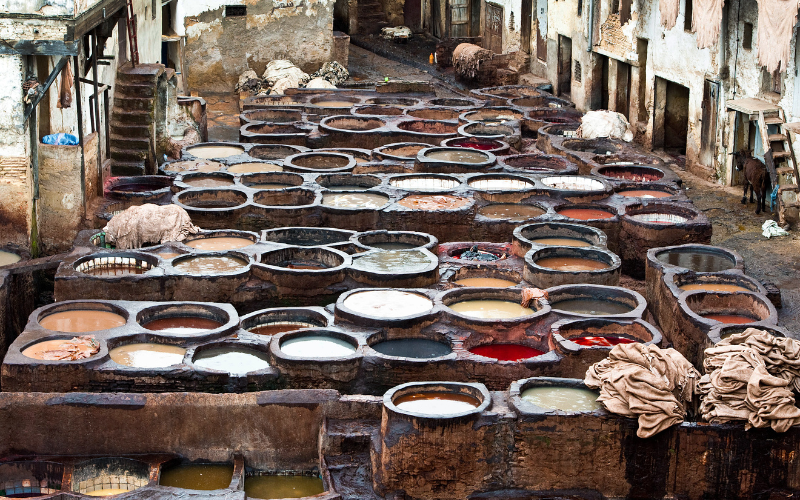
Following the Industrial Revolution—and especially after World War II—Italy’s leather industry modernized rapidly with new machinery and technologies, including chrome tanning.
Iconic Italian brands such as Gucci, Prada, and Ferragamo transformed leather into a global fashion symbol. Post-war demand for Italian leather footwear surged in the U.S. and Europe, fueling a strong recovery and sustained growth.
Source: R. Montanari, Leather International, 1998
5. The Modern Era: Italy as a Global Hub for Premium Leather
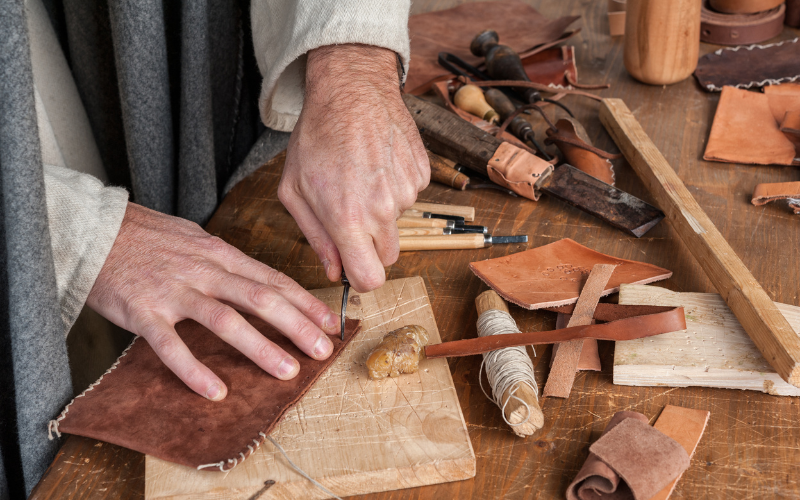
Today, Italy remains a world leader in high-quality bovine leather, with three major production regions:
- Santa Croce sull’Arno (Tuscany): Renowned for vegetable-tanned leather
- Arzignano (Veneto): Europe’s leading center for chrome-tanned leather exports
- Solofra (Campania): Specializing in premium goat and sheep leather
Many tanneries now prioritize eco-friendly materials and ESG-oriented production. Notably, Santa Croce sull’Arno accounts for over 60% of Europe’s vegetable-tanned leather output. Source: UNIC; ICE – Italian Trade Agency
III. Conclusion
Italian Leather – A Heritage Preserved and Elevated
The Italian leather industry stands as a powerful example of the harmonious integration of:
-
Traditional craftsmanship
-
Modern technology and international standards
-
Creative fashion thinking
-
A long-term commitment to sustainability and environmentally responsible materials
GreenMoss is proud to bring the essence of Italian leather craftsmanship closer to the Vietnamese market—through international-standard Italian bovine leather (full grain, aniline, and semi-aniline), effectively applied in high-end interior upholstery projects, showrooms, boutique hotels, and private villas.
Traditional craftsmanship
Modern technology and international standards
Creative fashion thinking
A long-term commitment to sustainability and environmentally responsible materials
Source: GreenMoss compilation