
- Why choosing leather for a family sofa with children requires a different approach
- 1. Understanding leather structure – the key factor behind performance
- 2. Comparing common leather types in real-life usage
- Aniline Leather – the most natural, but less practical
- Semi-Aniline Leather – a balanced solution
- Pigmented Leather – the most practical choice
- 1. Reduce liquid absorption
- 2. Improve surface durability
- 3. Maintain color consistency
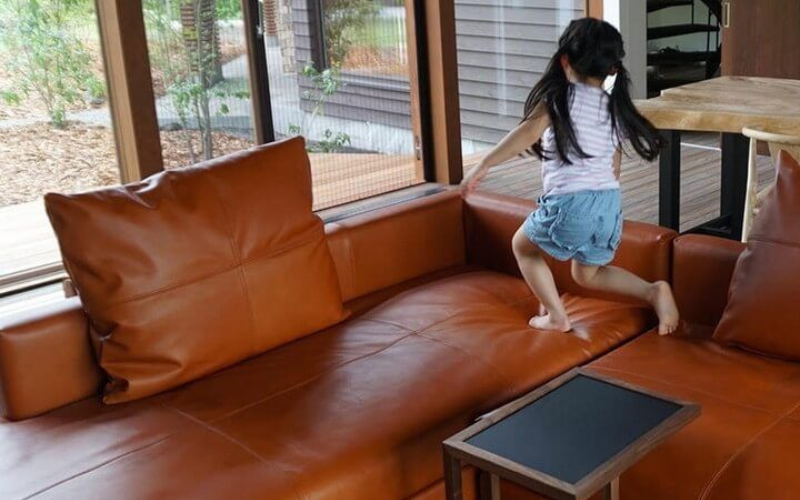
Why choosing leather for a family sofa with children requires a different approach
In households with children, a sofa is not only a piece of furniture but also:
a place for everyday living
a space for eating, playing, and relaxing
a surface exposed to frequent contact
These conditions create very specific material requirements:
good resistance to stains
easy and fast cleaning
resistance to friction and minor impact
long-term stability
For this reason, not every type of leather is equally suitable.
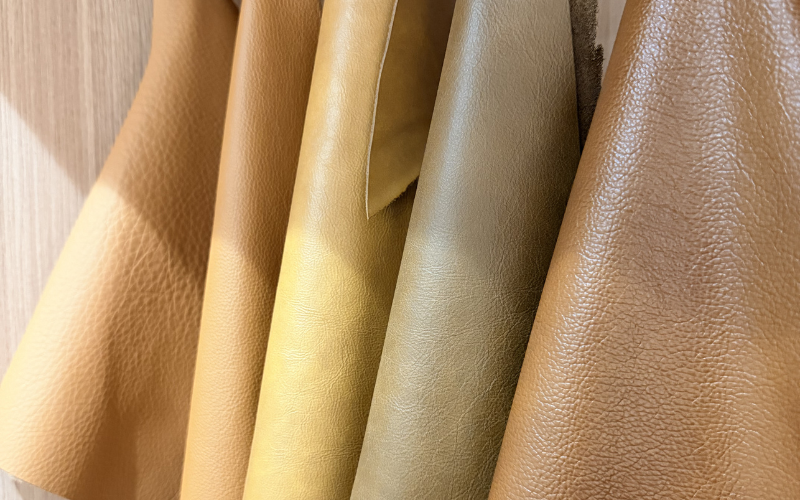
1. Understanding leather structure – the key factor behind performance
Genuine leather is made of interwoven collagen fibers that provide strength and flexibility. However, the finishing process applied to the surface largely determines:stain resistance
surface durability
ease of maintenance
This is the most important factor when selecting leather for households with frequent daily use.
2. Comparing common leather types in real-life usage
Aniline Leather – the most natural, but less practical
No protective surface coating
Retains the original natural structure
Challenges in environments with children:
more absorbent
more prone to staining
requires careful maintenance
→ Generally not recommended for family sofas with frequent daily use
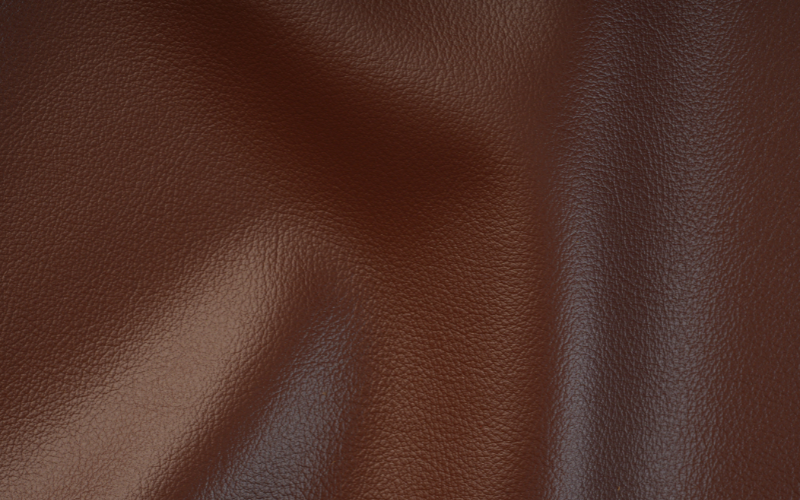
Semi-Aniline Leather – a balanced solution
Light protective coating
Maintains much of the natural feel
Advantages:
better stain resistance than aniline
easier to clean
retains a refined natural appearance
→ Suitable for households seeking a balance between aesthetics and practicality

Pigmented Leather – the most practical choice
Clear protective coating
Stable and consistent surface
Key advantages:
high resistance to stains
easy to clean (food, liquids, pen marks)
good abrasion resistance
long-term color stability
→ Often considered the most practical option for everyday environments
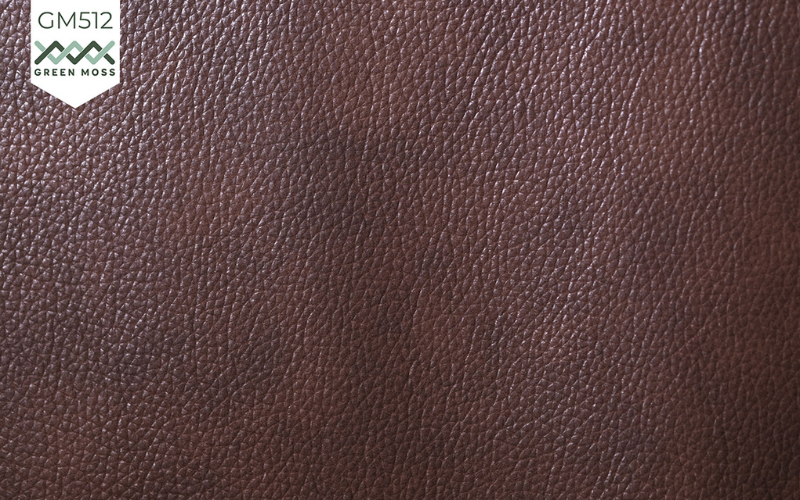
3. Why pigmented leather performs well in daily environments (technical perspective)
Pigmented leather includes a protective finish that helps:
1. Reduce liquid absorption
Liquids do not immediately penetrate the surface, allowing easier cleaning.
2. Improve surface durability
Helps reduce visible scratches from:
daily contact
light friction
minor impacts
3. Maintain color consistency
Less prone to:
fading
uneven color change over time
For this reason, pigmented leather is widely used in:
hospitality environments
restaurants
high-traffic interiors
These environments share similar durability requirements with residential living spaces.
4. Additional factors to consider when choosing a leather sofa
Color selectionRecommended:
neutral or slightly darker tones such as taupe, brown, camel
Avoid:
very light colors that may show marks more easily
Leather thickness
Recommended range:
1.2 – 1.4 mm
This provides a balance between:
comfort
durability
Surface texture
Light natural grain helps reduce the visibility of minor marks.
Extremely smooth surfaces may show scratches more easily.
5. Real-life performance after 1–3 years
With pigmented leather:
surface appearance remains relatively stable
maintenance is manageable
wear tends to be gradual
With unfinished or minimally finished leather:
stains may be more difficult to manage
color changes may occur more noticeably
This becomes an important factor when evaluating lifecycle value.
6. Durability depends on both material and usage
Even when selecting the appropriate leather type, daily care also plays an important role:
clean spills early
avoid prolonged exposure to liquids
maintain periodically
Good material combined with proper care can significantly extend the lifespan of the leather.
GreenMoss perspective
At GreenMoss, material selection is based not only on appearance, but on real usage context.
For everyday living environments, long-term performance is often more important than initial appearance.
Conclusion
Not every type of leather is equally suitable for a family sofa used daily.
Practical considerations often favor materials that balance durability, ease of maintenance, and long-term appearance.
Common choices include:
Pigmented leather → durable, easy to clean, stable over time
Semi-aniline leather → balanced option when aesthetics remain a priority
Understanding material performance helps ensure the leather continues to perform well throughout years of use.