
- When the True Value of Leather Begins at the Finishing Stage
- Upholstery Leather from a Technical Perspective
- Finished Folds: Small Details, Significant Value
- 2. Reflecting Craftsmanship and Experience
- Italian bovine leather is highly regarded in upholstery not only because of its origin, but because of its finishing philosophy: Preserving the leather’s natural structure Avoiding aggressive chemical flattening Allowing the leather to express movement and vitality during upholstery As a result, during the upholstery process: Leather is easier to work with Surfaces respond well to hand techniques Finished products achieve a balance of aesthetics, tactile comfort, and durability
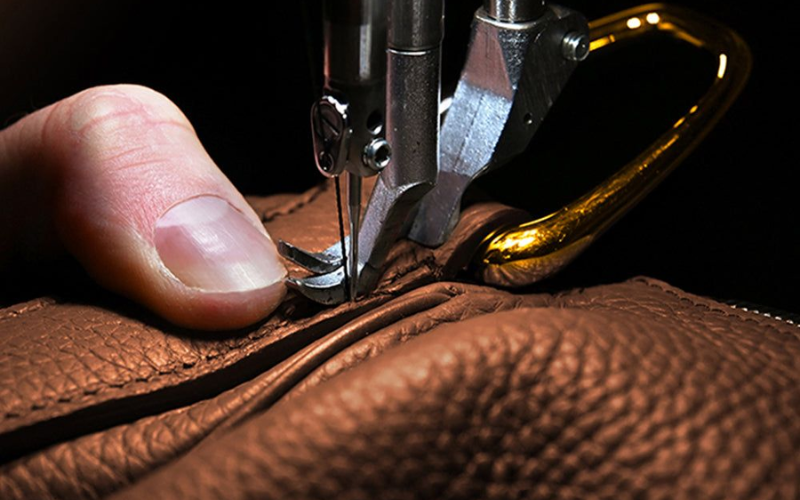
When the True Value of Leather Begins at the Finishing Stage
In high-end interior design, upholstery leather is not merely a surface covering.
Its true value is fully revealed only at the finishing and upholstery stage—where material quality, technical performance, and craftsmanship converge.
Every fold, curve, and stretched surface is more than a visual detail.
It is the final test of softness, elasticity, and structural stability of Italian bovine leather after tanning and surface finishing.
Upholstery Leather from a Technical Perspective
Upholstery leather is a leather category engineered specifically for interior upholstery, and it must meet far stricter requirements than fashion or accessory leather:
-
High mechanical durability
-
Resistance to repeated stretching, bending, and abrasion
-
Long-term shape stability
-
A tactile feel that is comfortable—not “technically stiff”
Only when these criteria are met can leather move into the upholstery stage without issues such as surface cracking, loss of form, or structural distortion.
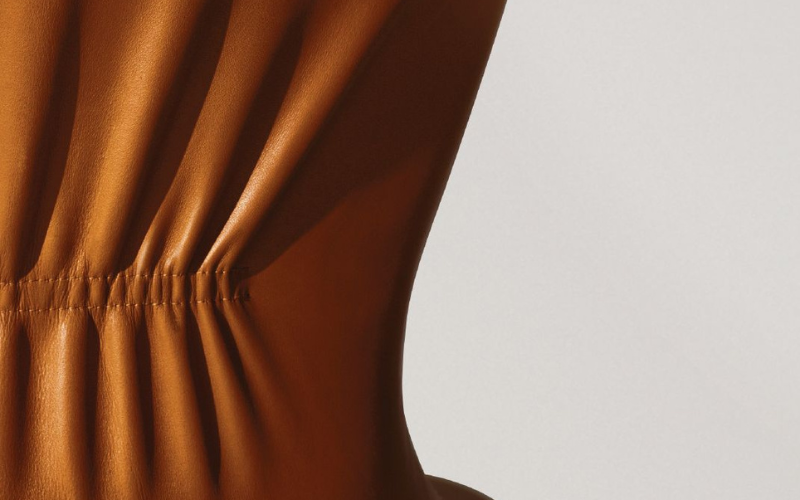
Finished Folds: Small Details, Significant Value
In upholstery leather, folds are not flaws—they are evidence of material quality and skilled handling.
1. Expressing Softness and Elasticity
A leather hide suitable for upholstery should:
- Form smooth folds without hard creases
- Recover its shape after tension is released
- Avoid white stress marks on the surface
These behaviors directly reflect a balanced and stable collagen fiber structure within the leather.
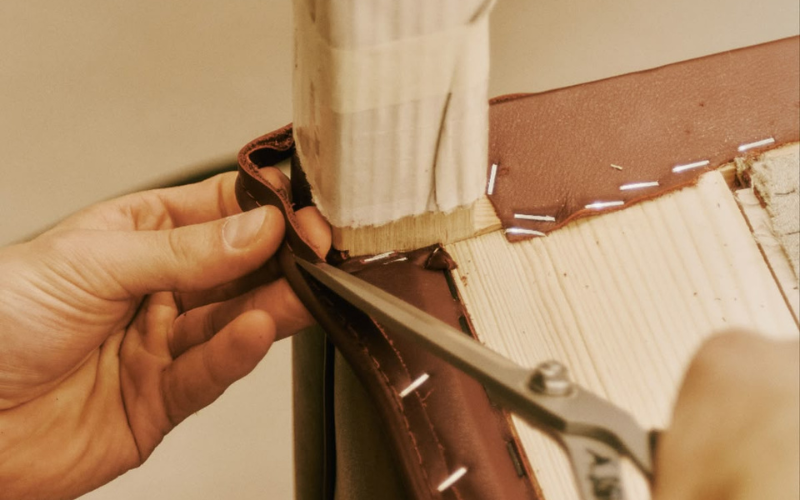
2. Reflecting Craftsmanship and Experience
Well-executed folds require:
- Precise control of pulling force
- An understanding of leather’s natural drape
- Awareness of fiber direction and hide zoning
Even minor errors in technique can compromise softness or create unnecessary tension in the material.
3. Defining Long-Term Comfort
A properly upholstered leather product will:
-
Feel increasingly comfortable over time
-
Minimize unattractive wrinkles
-
Maintain its original form for many years
Feel increasingly comfortable over time
Minimize unattractive wrinkles
Maintain its original form for many years
Italian Leather & Upholstery — Where Value Is Proven
Italian bovine leather is highly regarded in upholstery not only because of its origin, but because of its finishing philosophy:
-
Preserving the leather’s natural structure
-
Avoiding aggressive chemical flattening
-
Allowing the leather to express movement and vitality during upholstery
As a result, during the upholstery process:
-
Leather is easier to work with
-
Surfaces respond well to hand techniques
-
Finished products achieve a balance of aesthetics, tactile comfort, and durability
Preserving the leather’s natural structure
Avoiding aggressive chemical flattening
Allowing the leather to express movement and vitality during upholstery
Leather is easier to work with
Surfaces respond well to hand techniques
Finished products achieve a balance of aesthetics, tactile comfort, and durability
Upholstery Finishing: Beyond Visual Appeal
A well-finished upholstery leather product must deliver three values simultaneously:
- Aesthetics – natural folds, clean edges, visual harmony
- Tactility – soft, warm, and comfortable to the touch
- Stability – shape retention, minimal stretching, long-term durability
This is why two leather-upholstered products may look similar at first glance, yet feel entirely different in use and age very differently over time.
Practical Applications of High-Quality Upholstery Leather
Properly finished upholstery leather is typically used in:
- High-end residential sofas
- Lounge chairs and armchairs
- Executive and office seating
- Hotel, resort, and showroom interiors
These environments demand materials that not only look refined when new, but also retain their functional and aesthetic value over extended use.
Conclusion
Upholstery leather should not be judged solely by its surface appearance, but by how it is upholstered and finished.
Every fold and contour is where the material speaks—revealing its structure, quality, and the craftsmanship behind it. In high-end interiors, true value is not about visual excess, but about details refined enough to endure.
Upholstery leather is the clearest expression of that philosophy.