
After a few years of use, many households start noticing fine spiderweb cracks or patches of surface peeling on their leather sofa, almost like a snake shedding its skin. This is a common worry for anyone who owns a leather sofa — but is it a sign the sofa is beyond saving, or is it a fixable problem once you understand the real cause?
First, Know the Difference: Cracking and Peeling Are Two Different Problems
This is the first and most important step before looking for a solution, because these two issues have completely different causes and completely different fixes.
Cracking refers to fine, hairline lines appearing on the leather's surface, usually caused by the leather losing its natural moisture and becoming dry and brittle over time.
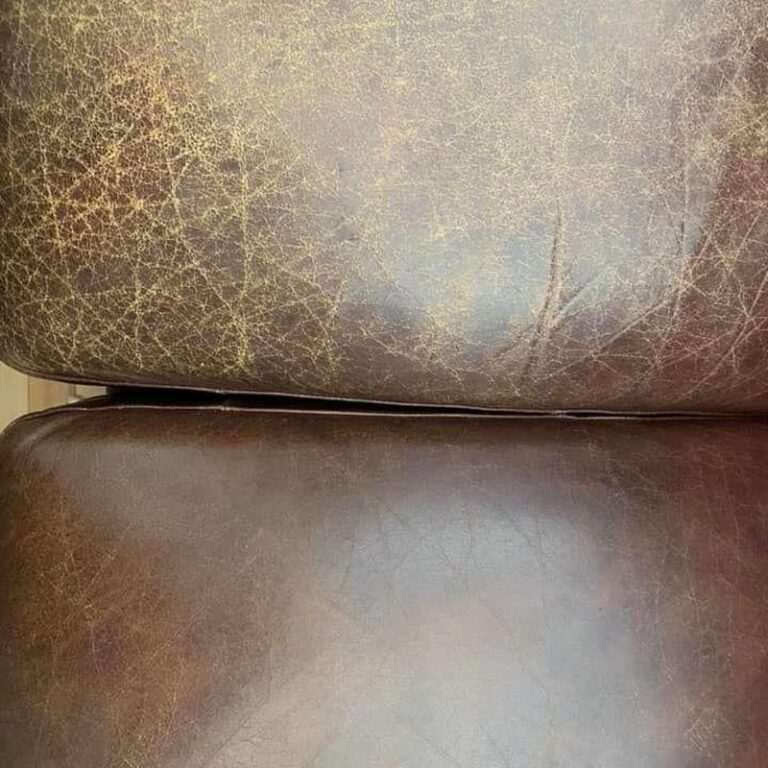
Peeling refers to the surface layer (the finish or color coating) separating from the base leather underneath. Notably, peeling is usually linked to lower-quality leather or leather that has been heavily surface-treated, rather than ordinary wear and tear — once the top layer separates from the base material, the damage is typically irreversible.
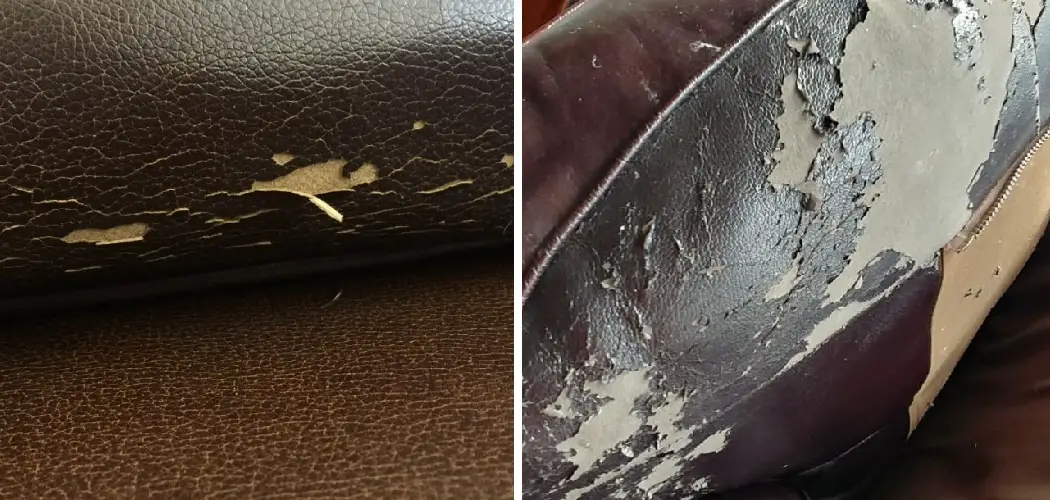
It's important to know that high-quality full-grain leather rarely peels. Peeling is far more common in corrected leather, bonded leather, or faux leather.
What Causes Cracking
1. Age and natural moisture loss Over time, genuine leather gradually loses moisture and becomes dry and brittle — this is what leads to surface cracking.
2. Sunlight and high heat Exposure to direct sunlight can dry out leather, making it brittle and prone to cracking and peeling. This is why experts consistently recommend keeping leather sofas away from windows with prolonged direct sun exposure.
3. Lack of regular conditioning Leather needs to be moisturized regularly, much like human skin — if left uncared for over a long period, it loses its natural elasticity.
4. Leather quality and surface treatment Combination leather — which contains vinyl components — is significantly more prone to cracking from cold winter weather or high summer humidity compared to genuine, untreated leather.

What Causes Peeling
1. Low-quality base leather This is the leading cause. As mentioned, standard full-grain leather rarely peels.
2. Delaminating PU coating Furniture manufacturers often apply a polyurethane (PU) coating as a protective layer on bonded or faux leather — and when this PU layer separates over time, that's what causes peeling.
3. Natural body oils and friction Peeling is often the result of damage from long-term body oil buildup or from existing cracks spreading further.

Fixes by Severity Level
Mild (small, localized cracks or peeling) Use a dedicated leather conditioner to restore moisture — choose a high-quality conditioning product to keep the leather hydrated and supple, and avoid harsh cleaning chemicals, which can strip away the leather's natural oils. In Vietnam, water-based products are preferable, as noted above. For small cracks on pigmented leather, a recoloring balm kit can be used to cover the damage temporarily.
Moderate (visible cracks or tears) A sub-patch can be placed underneath the tear, then secured with leather-specific adhesive to fix and flatten the surface. Hold it in place for about 2 hours to let the adhesive fully dry.
Severe (widespread peeling, structural damage) For large cracks, reupholstering or replacing the leather is usually the most practical solution — peeling, on the other hand, cannot be permanently repaired, only temporarily concealed. Once bonded or faux leather starts peeling, the process can almost never be fully stopped — treatments can only mask the damage and slow the deterioration, especially in high-contact areas.
In Vietnam, look for a workshop experienced in genuine leather repair (clearly distinct from technicians who only work with synthetic/faux leather) to ensure quality results.
How to Prevent This From the Start
- Keep the sofa away from direct sunlight and heat sources — pay particular attention to areas near west-facing glass doors or balconies, which are common in Vietnamese townhouses and apartments.
- Condition regularly with leather-specific products, prioritizing water-based formulas suited to hot, humid climates, and avoiding harsh cleaning chemicals.
- Ensure good ventilation around the sofa's location, especially if air conditioning isn't running continuously — this helps reduce the mold and mildew risk typical of tropical climates.
- Clean regularly to prevent body oil and dust buildup from damaging the surface.
- Choose the right leather from the start — this is the most important factor and the one most often overlooked. High-quality full-grain or top-grain leather, tanned to proper international standards, offers far greater resistance to cracking and peeling than heavily surface-treated or bonded leather.
Not every case of a cracked or peeling leather sofa is beyond saving — but the most effective fix always starts with understanding the real cause, accounting for Vietnam's specific climate, and choosing the right material from the beginning. A high-quality full-grain hide, properly tanned and finished, isn't just more beautiful — it's also far more resistant to these issues. This is exactly why investing in a trustworthy leather source at the material-selection stage matters far more than repairing problems down the line.
This article was compiled and paraphrased from the following international furniture/leather-repair industry sources (no verbatim quotations, information referenced only):
- FCI London — "Why Is My Leather Sofa Cracking and Peeling" — fcilondon.co.uk
- Checkatrade — "What to do with a peeling leather sofa" — checkatrade.com
- Style Meets Comfort — "6 Common Problems with Leather Furniture & Practical Solutions" (with input from leather restoration expert Peter Wason) — stylemeetscomfort.ca
- Angi — "Tips to Fix a Peeling Leather Couch" — angi.com
- Couch.co — "Couch-tastrophes: Truth Behind Leather Cracking and Peeling" — couch.co
- South Texas Furniture — "6 Common Problems With Leather Furniture: How to Avoid and Treat Them" — southtexasfurniture.com
- Biltrite Furniture — "Why Your Leather Couch Is Peeling (And What to Do About It!)" — biltritefurniture.com
- LeatherFixUp — "How to Fix a Cracked Leather Sofa" — leatherfixup.com