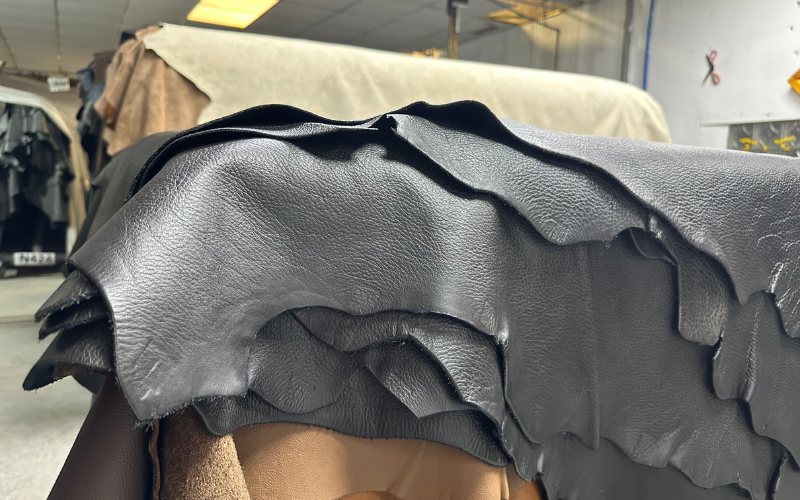
2) Identifying “natural signatures” on Italian leather
The following are not defects, but authentic signatures of real leather:
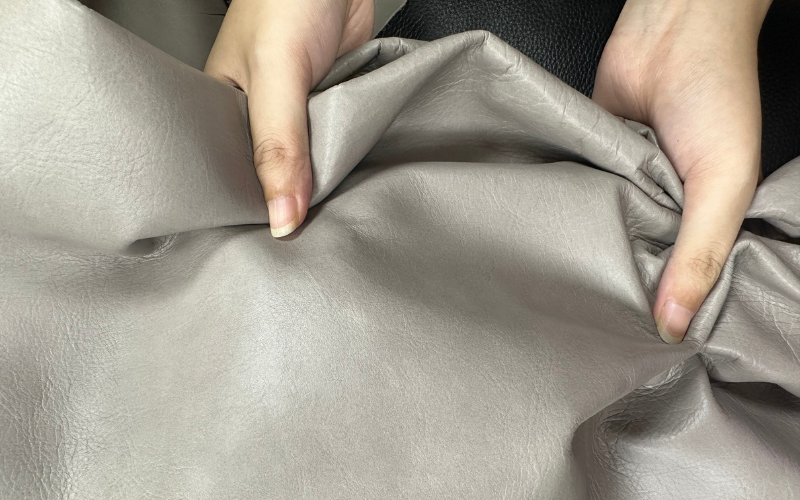
- Wrinkles & veins: Common around the neck and shoulder areas; they create beautiful light–shadow effects when upholstered.
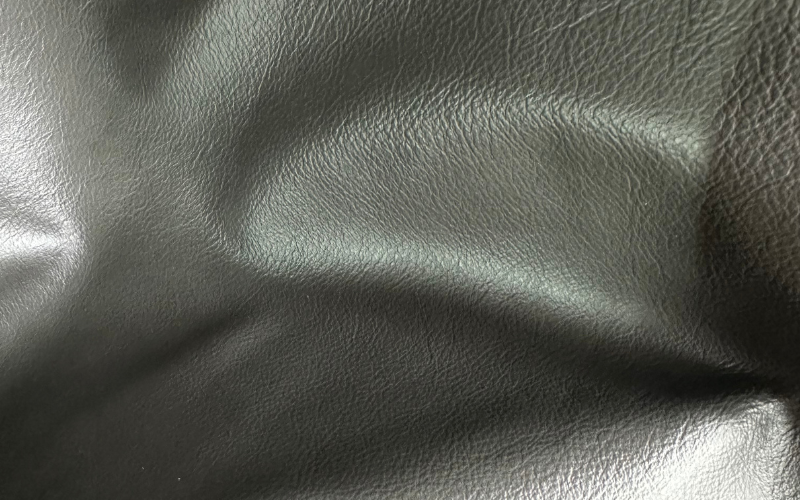
- Grain & pores: Density and size vary across the hide; the more “full-grain,” the more alive the surface appears.
- Healed scars & insect bites: Flat, fully healed marks that do not affect durability—very common in aniline leather.
- Shade variation: Especially visible in aniline and semi-aniline leathers due to deep dye penetration without heavy pigment coating.
- Pull-up & patina effects: Lighter tones at folds, darker tones in low-contact areas; over time, a natural patina develops.
When is it considered a defect?
-
Tears, holes, or structural cracks
-
Abnormal dye blotches caused by finishing errors
-
Deep scratches with broken fiber structure
-
Usable area deviation beyond order specifications
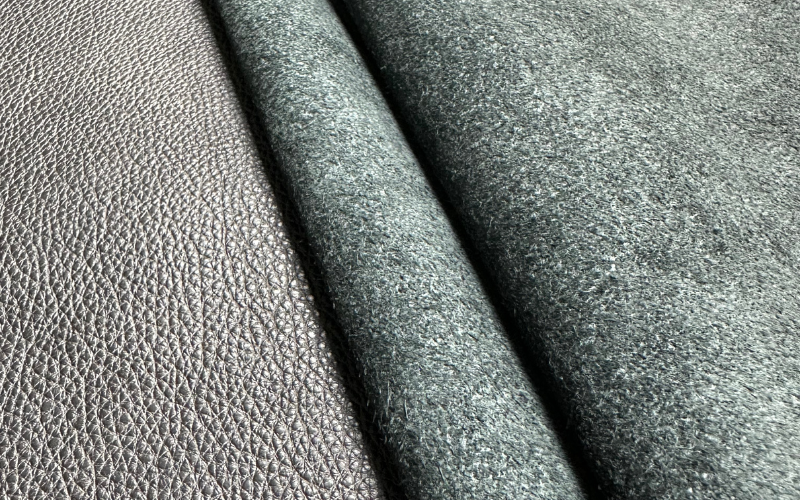
3) Wabi-Sabi in interiors: emotional & aesthetic value
-
Visual: Grain variation and tonal depth create richness under changing light.
-
Tactile: Cool, soft touch with slight natural drag—distinct from synthetic materials.
-
Olfactory: Subtle, elegant leather aroma enhances the luxury experience.
-
Acoustic: Gentle creaking signals genuine interaction between leather, padding, and frame.
-
Narrative: Every wrinkle and scar represents time—something mass production can never replicate.
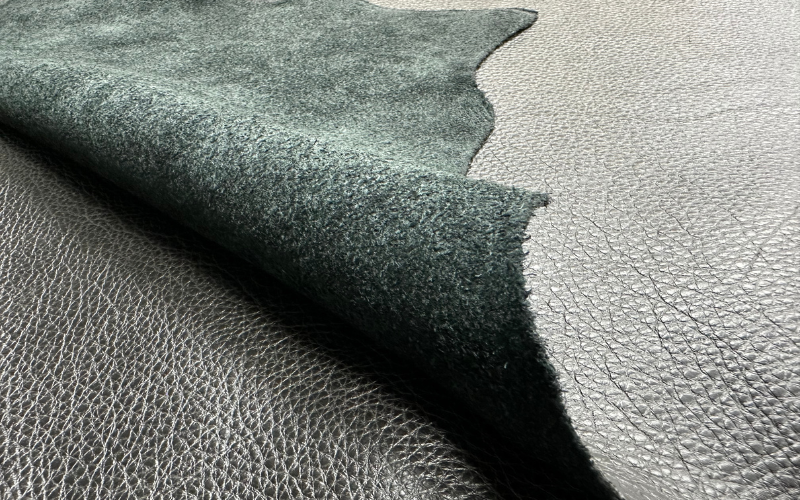
4) Patina – the journey of time on leather
Patina is the beautiful aging layer formed through light exposure, natural oils from human contact, friction, and air.
-
Key factors: finishing type (most visible in aniline), humidity, usage patterns, and maintenance.
-
Design impact: Furniture becomes more beautiful with use, rather than deteriorating.
-
Styling tip: Place aniline sofas in indirect daylight and pair with woven fabrics to enhance patina contrast.
5) Choosing leather finishes through the “imperfect beauty” lens
| Criteria | Aniline | Semi-Aniline | Pigmented |
|---|
| Natural imperfection |
Most visible, highly unique |
Balanced |
Minimal, uniform |
| Touch |
Raw, soft, breathable |
Soft with light protection |
Smooth, heavily protected |
| Patina |
Strong & expressive |
Present but subtle |
Minimal |
| Maintenance |
High |
Moderate |
Easiest |
| Recommended use |
Luxury living rooms, lounges, boutiques |
Premium homes, hotels, resorts |
F&B, public spaces, family zones |
| Aesthetic spirit |
Artistic, emotional |
Balanced art & function |
Practical, durable |
At GreenMoss, Aniline and Semi-Aniline collections (e.g., Elegenza, High Level, Florence) embody this philosophy, while Pigmented leather is ideal for high-traffic projects such as cafés and F&B chains.
6) QC checklist: distinguishing natural character vs. defects
When receiving leather or inspecting at the upholstery workshop:
-
Lighting: Inspect under 600–1000 lux, neutral white light.
-
Surface scanning: Identify neck/shoulder areas for appropriate placement (backrests, armrests).
-
Thickness & flatness: Measure at 3–5 points per hide; document tolerances.
-
Color & shade: Compare with cutting swatches; allow ΔE tolerance per finish type.
Acceptable
Wrinkles, healed scars, pores, natural shade variation.
Reject / deduct
Tears, deep cracks, coating defects, chemical streaks, abnormal stiffness.
Pattern-making tip: Allocate wrinkled areas to low-abrasion zones; reserve even grain for seat surfaces.
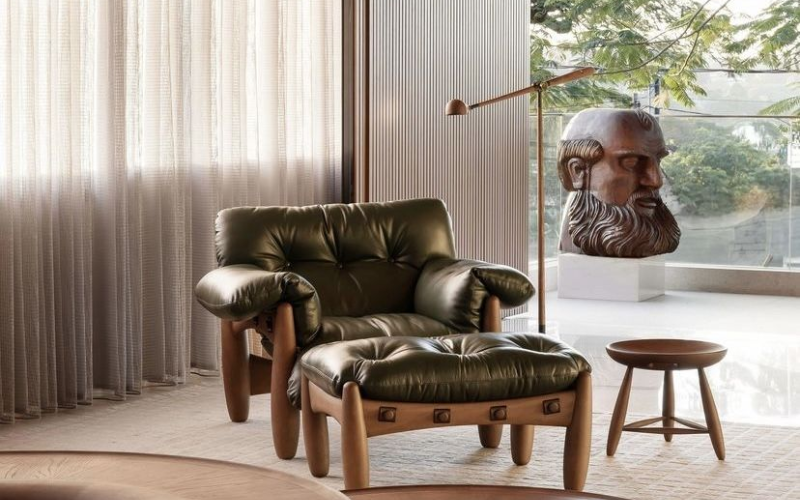
7) Design applications: composing a “material symphony”
-
Contemporary / Italian Modern: Cognac, olive, chestnut aniline leather with dark wood and brushed metal.
-
Wabi-Sabi / Organic Modern: Semi-aniline in taupe, beige, stone tones paired with linen and raw ceramics.
-
Hospitality Premium: Semi-aniline for lounges and headboards; pigmented leather for high-traffic areas.
-
Boutique Offices: Aniline for executive accents; pigmented leather for workstations.
8) Sustainability & lifecycle value
-
High durability reduces replacement cycles and project waste.
-
Natural, reconditionable material extends aesthetic lifespan through proper care.
-
Patina improves cost-per-use by enhancing beauty over time.
9) Care guidelines (project standard – Vietnam climate)
-
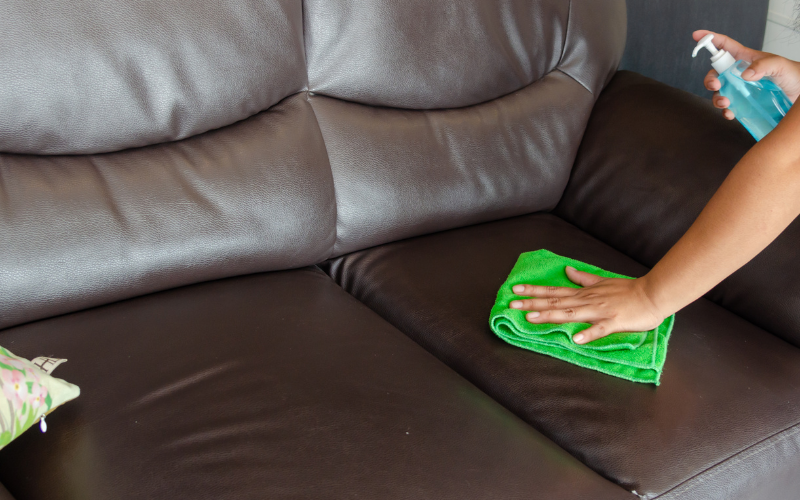
Weekly: Dry wipe with soft cloth; vacuum seams.
-
Monthly: Very lightly damp wipe (well-wrung cloth), test on hidden area.
-
Quarterly: Apply appropriate leather cream (lighter for aniline).
-
Avoid direct sunlight & heat: Maintain 30–40 cm distance from heat sources.
-
Stain response: Blot, do not rub; treat oils with specialized products.
-
Humidity: Maintain 45–60%; use dehumidifiers during humid seasons.
-
Never use strong chemicals or alcohol wipes.
10) Common misconceptions
-
“Wrinkles and scars are defects.” → No. They are natural characteristics.
-
“Real leather must look perfectly smooth.” → Over-uniform surfaces often indicate heavy pigment or synthetics.
-
“Real leather wears out quickly.” → With proper care, it becomes more beautiful over time.
11) FAQ
Q: I love the imperfect look but worry about stains—what should I choose?
A: Semi-aniline offers the best balance: visible natural character with easier maintenance than aniline.
Q: Does patina make furniture look old?
A: No. Properly maintained patina enhances depth, softness, and a vintage-luxury feel.
Q: Should F&B projects use aniline leather?
A: High-traffic areas should use pigmented leather. Aniline is best reserved for VIP or low-risk accent zones.