
Is a Leather Sofa Hot to Sit On?
This is one of the most common concerns when choosing a leather sofa for a living space—especially in hot and humid climates like Vietnam. Many people assume that leather sofas feel hot and sticky during long sitting periods.
However, the reality is more nuanced. Not all leather is the same, and the sitting experience depends on:
- material structure
- surface finishing
- environmental conditions
To understand this properly, we need to look at the nature of genuine leather itself.
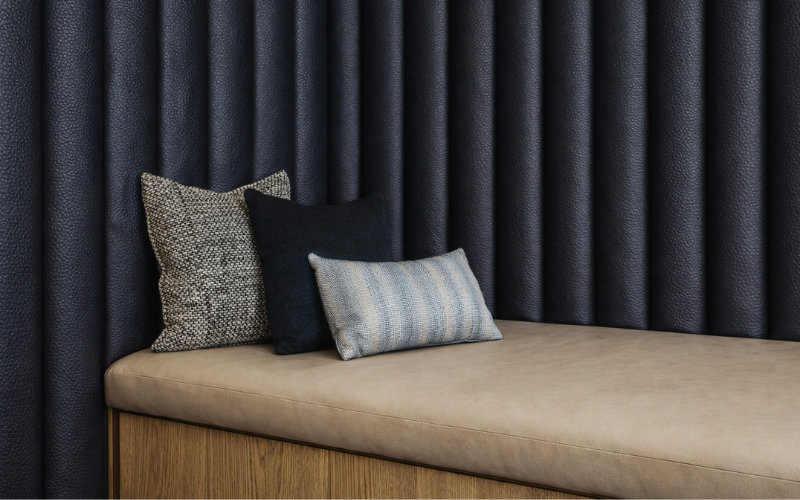
1. Genuine Leather Is a Breathable Material
Genuine leather is a natural material made from a three-dimensional collagen fiber network. This structure contains millions of microscopic pores that allow:
- moisture exchange
- temperature regulation
- absorption and release of humidity
Because of this, leather does not trap heat in the same way synthetic materials do.
In normal indoor conditions, a genuine leather sofa often feels cooler and more comfortable than expected.
2. Why Do Some Leather Sofas Feel Hot?
The “hot and sticky” feeling is usually not caused by leather itself, but by how the material is processed and finished.
1.Heavy Surface Coating
Some upholstery materials are finished with thick polymer coatings to:
- increase durability
- improve stain resistance
- stabilize color
However, overly sealed surfaces reduce breathability, causing heat and moisture to accumulate.
2. Lack of Natural Structure (Synthetic Materials)
Synthetic materials do not have the natural fiber network of real leather. As a result:
- poor air circulation
- limited moisture release
- higher heat retention
This is why faux leather often feels hotter than genuine leather.
3. Environmental Conditions
Any upholstery material—leather or fabric—can feel hot when:
- exposed to direct sunlight
- used in high-temperature spaces
- placed in poorly ventilated rooms
Comfort depends not only on material, but also on usage environment and placement.
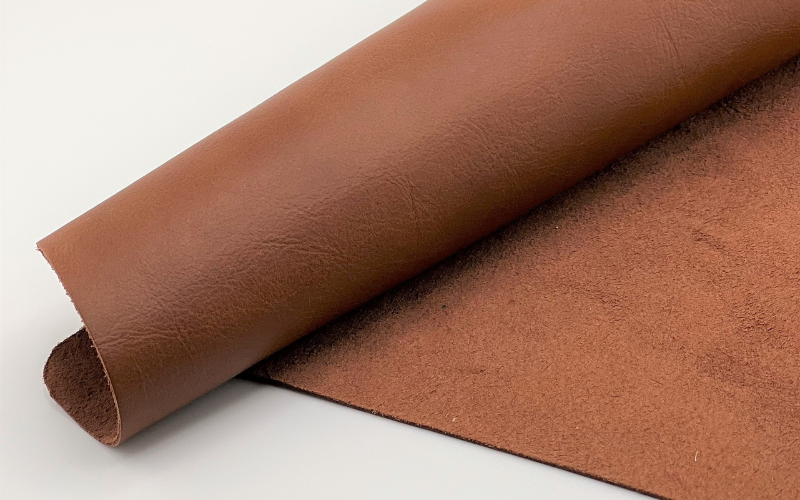
3. Which Types of Leather Feel the Most Comfortable?
Different types of leather offer different levels of breathability and comfort:
Aniline Leather
- No surface coating
- Fully natural structure
- Maximum breathability Most comfortable and “cool” feeling
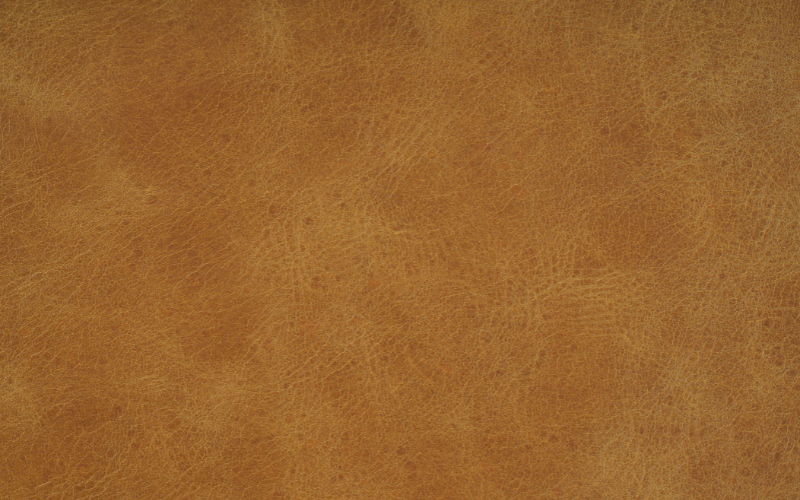
Semi-aniline leather
-
Light protective coating
-
Retains most natural characteristics
- Balanced between comfort and durability
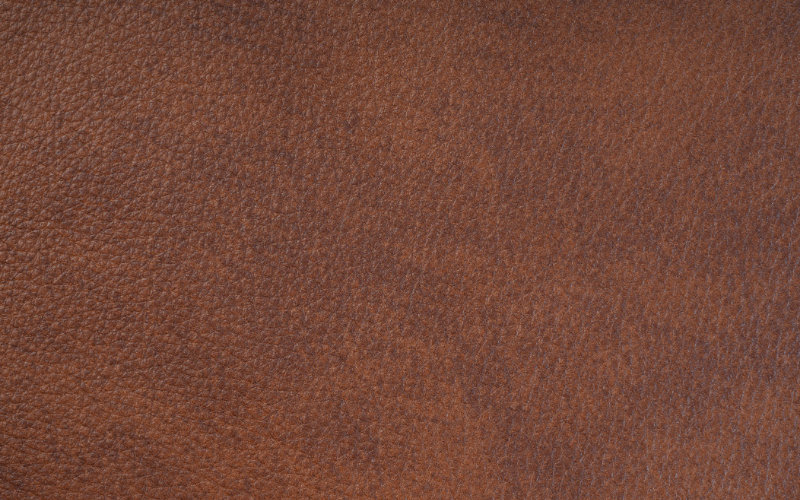
Pigmented leather
- Heavier surface coating
-
High durability and easy maintenance
- Less breathable than aniline, but more practical for high-traffic use
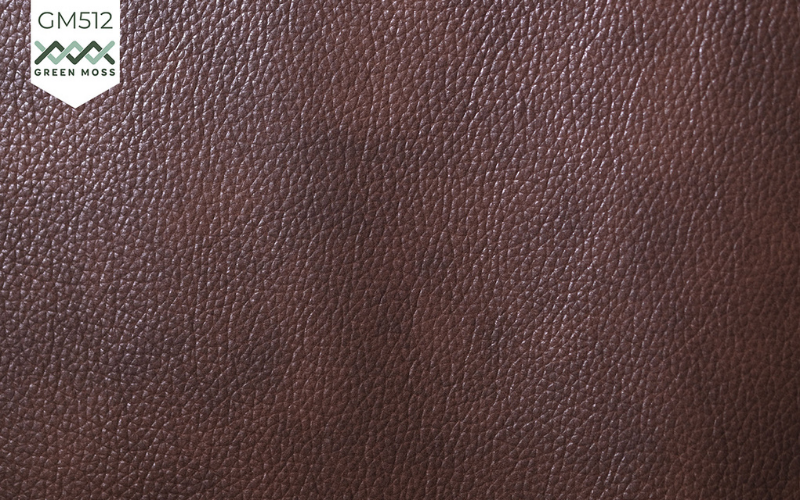
4. Is Leather Sofa Suitable for Hot and Humid Climates?
Yes—if you choose the right type and setup. In tropical countries such as:
- Singapore
- Thailand
- Malaysia
Genuine leather sofas are widely used in both residential and hospitality spaces.
Key factors for optimal comfort:
-
Avoid direct sunlight
-
Maintain ventilation or air conditioning
-
Choose breathable leather types (aniline or semi-aniline)
5. Additional Benefits of Genuine Leather Sofas
Beyond comfort, genuine leather offers strong practical advantages:
-
Less dust retention compared to fabric
-
Easy to clean and maintain
-
Long lifespan (many years of use)
-
Develops natural patina over time
This makes leather one of the most durable and sustainable upholstery materials.
6.Conclusion
A genuine leather sofa is not inherently hot, contrary to common belief.
Thanks to its natural collagen structure, leather can:
-
regulate temperature
-
allow moisture exchange
-
provide a more stable sitting experience
In many cases, discomfort comes from:
-
synthetic materials
-
overly thick coatings—not from real leather itself.
With the right leather selection and proper placement, a leather sofa can deliver long-term comfort, durability, and timeless aesthetics.