2. Raw hides – the starting point of the leather value chain
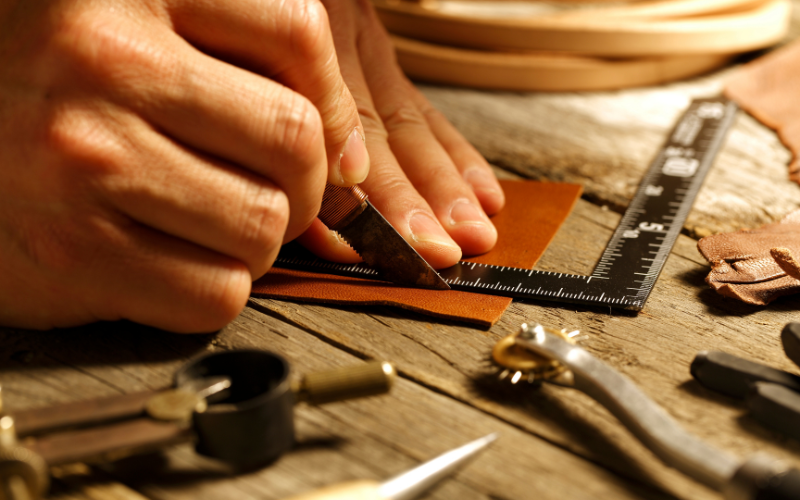
One common misconception is that Italian leather is renowned because the cattle are raised entirely in Italy. In reality, the Italian tanning industry operates within a global supply chain. According to UNIC – Italian Tanneries, raw hides used in leather production are primarily by-products of the meat industry and are sourced from multiple countries around the world.
This reveals that Italy’s advantage does not lie in having the largest cattle resources, but rather in its expertise in selecting, grading, and processing raw hides. Italian tanneries are well known for their skills in hide classification, quality control, and selecting appropriate materials for different applications such as fashion, furniture, and automotive interiors.

3. The “leather district” model – the industrial foundation of Italian leather
One of the most important factors that established Italy as a global center of leather production is the industrial district model. This model refers to specialized clusters where companies within the same value chain operate in close geographic proximity. According to data from UNIC, approximately 94% of Italian leather production is concentrated in three main districts: Veneto, Tuscany, and Campania. Within these regions, tanneries, chemical suppliers, machinery manufacturers, and material specialists operate together within a shared industrial ecosystem. This structure allows technical knowledge and craftsmanship to accumulate over generations while also enabling high production flexibility. Tanneries can collaborate quickly with suppliers and designers to develop new leather materials tailored to evolving market demands.
4. Veneto – a major center for upholstery and automotive leather
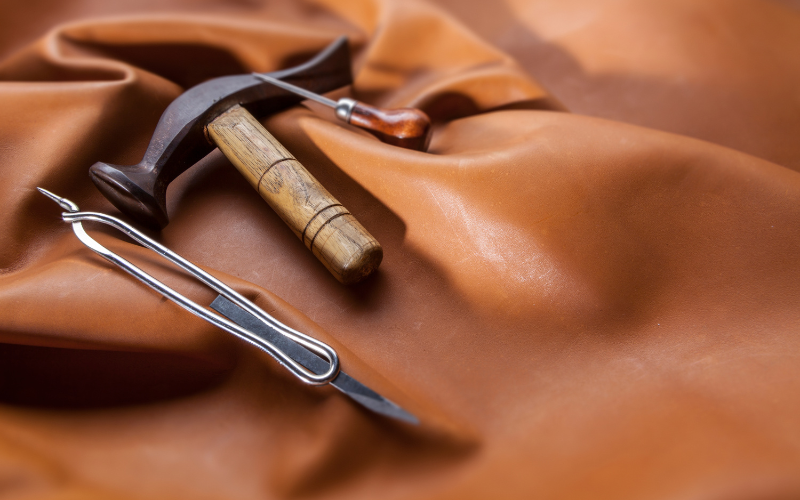
The Veneto region, particularly the Chiampo Valley, is considered one of the largest leather production centers in the world. This district accounts for a significant share of Italy’s leather output and is particularly specialized in processing medium and large bovine hides. With large-scale facilities and advanced machinery, tanneries in Veneto have developed strong expertise in producing leather for furniture upholstery and automotive interiors. These applications demand high durability, resistance to wear, and color stability over long periods of use.

5. Tuscany and Santa Croce sull’Arno – the historic heart of Italian tanning
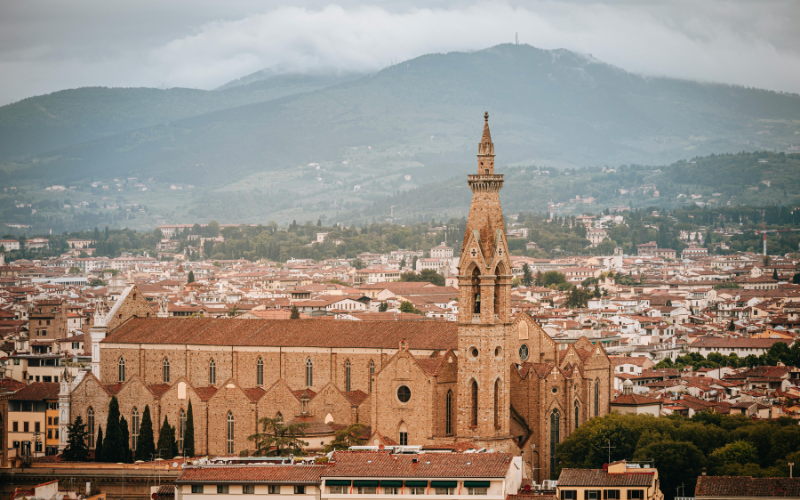
Alongside Veneto, Tuscany represents another important district in the Italian leather industry. At its center lies Santa Croce sull’Arno, a town where hundreds of tanneries operate within a relatively small area. Santa Croce is widely recognized as one of the most important tanning districts in Europe. Here, leather production is not only an industrial activity but also part of the region’s cultural heritage. Many family-run businesses have operated for generations, preserving and refining traditional tanning techniques that have become characteristic of the Tuscan leather industry.
6. Finishing – where material becomes aesthetics
After the tanning process, leather enters the finishing stage, a series of surface treatments designed to enhance both performance and appearance. During finishing, leather may be dyed, pressed, embossed, or coated with protective layers. These processes allow manufacturers to control color, softness, resistance to abrasion, and the tactile qualities of the material. Many industry experts note that the distinction between different grades of leather often lies in finishing techniques. This is also why a single type of bovine hide can be developed into a wide range of materials suited for fashion, furniture, or automotive applications.
7. The connection between tanneries and the design industry
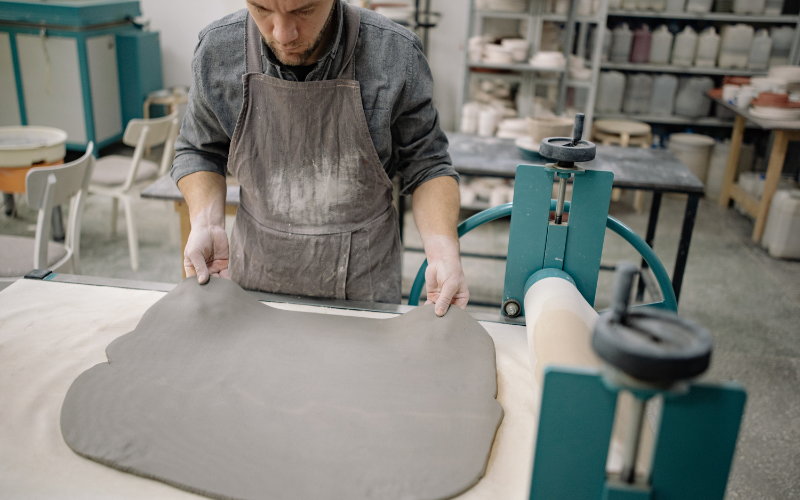
The Italian leather industry does not exist in isolation; it is closely linked with the worlds of design, fashion, and interior architecture. Designers frequently collaborate directly with tanneries to develop new colors, textures, and surface effects for each season. Events such as Lineapelle, the world’s leading international leather exhibition, play a key role in connecting tanneries, designers, and manufacturers from around the globe. At these events, new trends in color, materials, and textures are introduced before they appear in fashion collections or interior design projects.
8. Certification and traceability – the foundation of market trust
Beyond technical expertise and design collaboration, the Italian leather industry also emphasizes certification and traceability systems. Organizations such as ICEC (Institute of Quality Certification for the Leather Sector) provide specialized certification programs tailored specifically to the leather industry. These certifications verify production processes, raw material origins, and environmental standards throughout the tanning process. As a result, leather produced in Italy maintains a high level of credibility and trust in international markets.
9. When a single hide becomes an industry benchmark
The reputation of Italian leather is not built solely on history or the perception of luxury. Rather, it is the result of a comprehensive ecosystem: carefully selected raw materials, specialized production districts, sophisticated finishing techniques, close connections with design industries, and transparent certification systems. Through the coordination of this entire value chain, Italian leather has become a benchmark within the global materials industry. Each finished hide represents not just a product of manufacturing, but the outcome of an industry where technical knowledge, aesthetics, and experience have been accumulated and refined across generations.
Source: UNIC – Italian Tanneries
https://unic.it/en/italian-tanneries/the-italian-tanning-industry/