
When choosing materials for upholstery, wall cladding, or interior details, the question "genuine leather or synthetic leather?" comes up in nearly every discussion between architects, investors, and interior contractors. Each material has its own characteristics, cost profile, and applications suited to different purposes within a project. Understanding these characteristics helps ensure decisions align with a space's technical requirements and positioning.
Synthetic Leather Is Growing Fast — But Why?
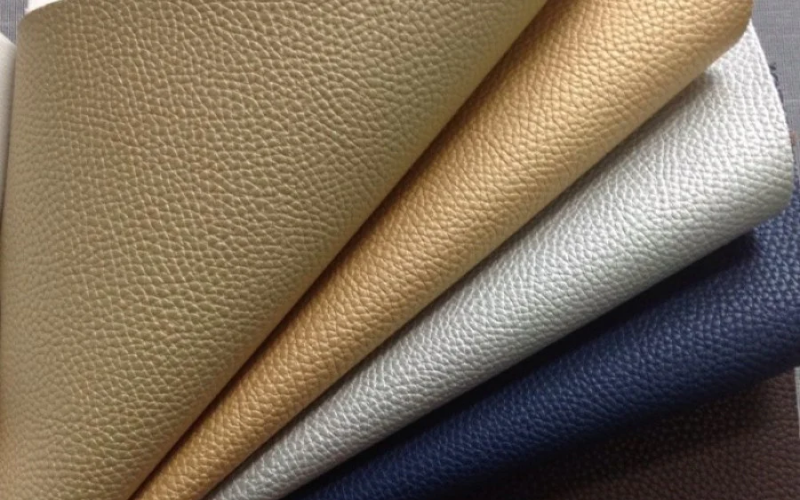
When choosing materials for upholstery, wall cladding, or interior details, the question "genuine leather or synthetic leather?" comes up in nearly every discussion between architects, investors, and interior contractors. Each material has its own characteristics, cost profile, and applications suited to different purposes within a project. Understanding these characteristics helps ensure decisions align with a space's technical requirements and positioning.
Synthetic Leather Is Growing Fast — But Why?
According to industry research data compiled by GreenMoss, synthetic/PU leather and bio-based leather are the fastest-growing material categories in the furnishing industry, with synthetic leather overall estimated to grow at a compound annual rate of around 12.5% per year, while bio-based leather is forecast to grow even faster, at around 14.5% per year. Three main reasons explain this momentum:
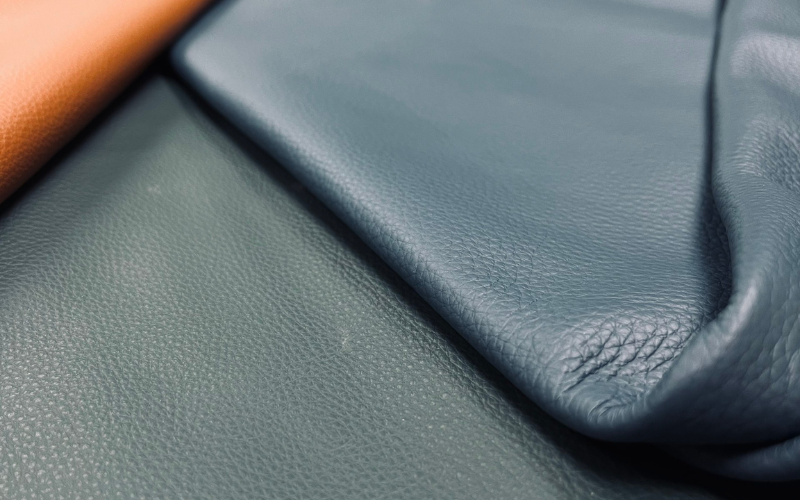
Factors Affecting the Sustainability of Synthetic Leather
The sustainability of PU leather depends on several specific technical factors: the production technology used (traditional petroleum-based vs. bio-based), the chemical treatment process, and the product's recyclability. This is information buyers can discuss directly with suppliers to understand the specific characteristics of each product line.
Characteristics of Genuine Leather in Interiors
Genuine cowhide leather has a distinct role in segments where authentic feel, durability, and material storytelling are prioritized:
- Tactile experience: natural grain, softness, and the way leather "lives" and changes over time are defining traits of genuine leather.
- Durability and graceful aging (patina): properly treated genuine leather can last for many years and grow more beautiful with use rather than degrading.
- Spatial positioning: in branded residence, penthouse, and boutique hotel projects, genuine leather is a physical signal of luxury that guests can perceive the moment they touch it.
- Traceability: increasingly important for projects pursuing green building standards, where material origin needs to be clearly demonstrated.
Overview Comparison of the Two Materials
| Criteria | Genuine Leather | Synthetic Leather (PU/synthetic) |
|---|---|---|
| Cost | Higher | Lower, suited to mass production |
| Tactile feel | Natural, one-of-a-kind | Consistent |
| Durability | Long-lasting, ages gracefully with proper care | Depends on product quality and usage conditions |
| Positioning | Premium, luxury | From mass market to mid-to-high-end |
| Sustainability story | Requires transparency in livestock sourcing | Requires transparency in production technology |
Choosing the Right Material by Application
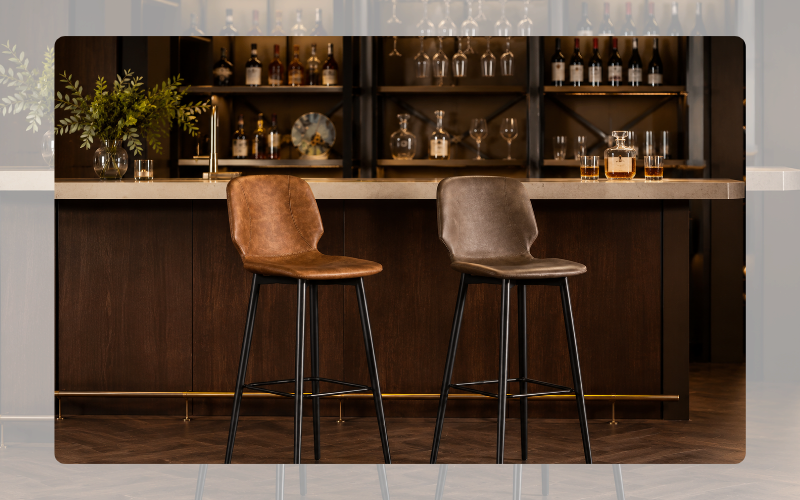
Material choice depends on the specific requirements of each application within a project. For areas requiring high durability, heavy usage, and minimal direct contact (such as back-of-house areas in hotels), synthetic leather is a cost-effective operational choice. For direct touchpoints and iconic elements of a space — bar stools, door handles, lounge wall panels, penthouse headboards — genuine leather is typically chosen for the authentic feel and aesthetic value it brings.
Conclusion
Synthetic and bio-based leathers are growing quickly and suit projects that prioritize cost and consistency in the mass-to-mid-market segment. Genuine leather, when the right type is selected and properly processed, suits spaces that need to convey authentic feel and a distinct material story — such as villas, branded residences, and boutique hotels. Both materials have their own place depending on a project's goals and budget.
If you're considering leather materials for your project and need specific guidance on leather type, suitable applications, and realistic costs, contact the GreenMoss team for advice tailored to your project's technical requirements and positioning.
References
Intelligence, M. (2026, January 9). Vietnam Home Furniture Market Data | Industry Trends, Size & Forecast Report 2031. Mordor Intelligence. https://www.mordorintelligence.com/industry-reports/vietnam-home-furniture-market
Intelligence, M. (2026, June 17). Vietnam Furniture Market Size - Trends & Forecast Report 2025 - 2031. Mordor Intelligence. https://www.mordorintelligence.com/industry-reports/vietnam-furniture-market