
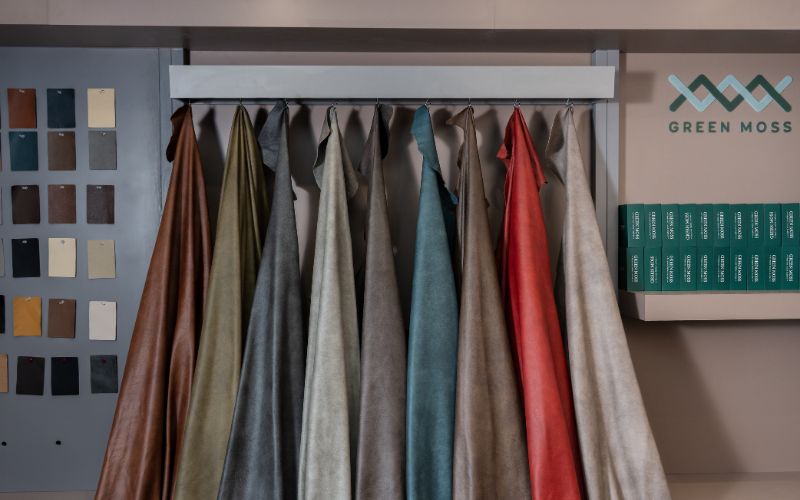
1. Why Color Development Is a Defining Signature of Italian Leather
In the world of premium materials, color is not merely an aesthetic choice—it is a direct expression of quality and tanning expertise.
Italian bovine leather is highly regarded for its ability to develop natural, deep, non-flat coloration, unlike synthetic or heavily coated leathers. Thanks to through-dyeing or semi-through dyeing processes, each hide retains subtle tonal variations, creating visual depth that artificial materials struggle to replicate. For interior designers and architects, understanding how leather develops color is essential when selecting the right leather for each space—especially in tropical climates like Vietnam, where heat and humidity directly affect color longevity.
2. The Italian Leather Dyeing Process: From Raw Hide to Final Hue
At Italian tanneries, color is never created by simply “painting” the surface. Instead, it is the result of a carefully layered process:
• Drum Dyeing
Organic dyes are introduced into large rotating drums for several hours, allowing pigments to penetrate deep into the collagen fiber structure.
→ Result: natural coloration that does not peel, crack, or burst the grain.
• Tone Adjustment
Thin layers of pigment are lightly sprayed to balance color consistency, subtly masking natural marks while preserving light transitions and depth.
• Surface Finishing
A protective layer is applied to improve scratch resistance, color stability, and UV protection.
→ This step is critical for color retention in Vietnam’s strong sunlight and high humidity. The synergy between deep dye penetration and controlled surface finishing is what allows Italian leather to maintain color better than many alternatives in the same segment.
3. Key Factors Affecting Color Durability in Vietnam’s Climate
Vietnam’s tropical monsoon climate presents several challenges to leather color stability. The most significant factors include:
1) Direct Sunlight
UV radiation is the primary cause of fading and uneven discoloration.
→ Semi-aniline or corrected grain leathers with UV-resistant finishes are the safest choices.
2) High Humidity
Moist air increases surface moisture absorption, potentially leading to dullness or slight swelling over time.
→ Pigmented or semi-aniline leathers offer better stability in humid environments.
3) Temperature Fluctuations
Day–night temperature changes, especially in open or semi-open spaces, can affect perceived color tone.
→ Requires leathers with thermally stable topcoats.
4. International Color-Fastness Tests (Especially Relevant for Vietnam)
A high-quality leather must pass the following tests:
• Colour Fastness to Light (ISO 105-B02)
Measures resistance to fading under prolonged exposure to intense light.
→ Rated on a scale of 1–8; premium leathers typically achieve Grade 6 or higher.
• Crocking Test (Dry & Wet Rub Fastness)
Evaluates whether color transfers onto fabric under friction.
→ Essential for sofas, bar seating, and commercial interiors.
• Sweat & Moisture Resistance
Tests color stability when exposed to perspiration—particularly important in hot climates. Leathers that pass these tests are suitable for bright spaces, high temperatures, and high-traffic use.
5. Which Leather Colors Perform Best in Vietnam?
-
Durable neutral tones (tan, taupe, brown, camel)
Balanced pigment levels, high color stability, minimal discoloration under strong light. -
Modern cool tones (grey, stone, olive)
Lower heat absorption, well suited for minimalist or industrial interiors. -
Avoid overly vivid colors on thin leather bases
Bright reds, neon yellows, or cobalt blues in semi-aniline finishes tend to fade faster under sunlight.
6. Usage & Maintenance Tips to Preserve Color
-
Avoid placing leather furniture directly next to sun-exposed glass walls.
-
Clean with soft cloths; avoid harsh chemicals or solvents.
-
Maintain indoor humidity at 45–60% to prevent dullness or mold.
-
Condition leather with professional products 2–3 times per year.
Conclusion
Achieving beautiful color is the result of artistry—but maintaining color stability is the true technical challenge, especially in Vietnam’s climate. By understanding dyeing processes, international testing standards, and color selection criteria, designers, showrooms, and B2B clients can make informed choices for each project. High-quality Italian bovine leather delivers not only refined color depth, but also long-term visual stability—when selected correctly and used properly.