
How Do Leather for Furniture, Shoes, and Accessories Differ?
A beautiful piece of leather may not be suitable for every product. Leather for sofa upholstery needs to provide comfort over a large surface area and withstand frequent sitting and cleaning. Leather for shoes must conform to the shoe last, accommodate foot movement, and endure various wear conditions. Meanwhile, when crafting bags, wallets, or belts, artisans focus heavily on shape retention, clean edge finishing, and surface aesthetics.

When purchasing leather, which specific characteristics should you evaluate? The comparison table below provides a quick starting point.
Quick Comparison: Leather by Application
|
Criteria |
Furniture / Upholstery |
Shoes / Footwear |
Bags, Wallets & Accessories |
|
Primary Priority |
Sitting comfort, uniform surface, easy maintenance |
Conformity to shoe last, flex endurance, friction resistance |
Shape retention, aesthetic appeal, ease of cutting and stitching |
|
Softness / Hand-feel |
Selected based on seating style and desired tactile feel |
Depends on shoe section: upper requires flexibility, counter needs structure |
Soft bags and structured bags require different temper levels |
|
Surface Finishing |
Consider cleanability and daily usage intensity |
Consider friction, water exposure, and care routine |
Consider scratch resistance, color consistency, and patina aging |
|
Sample Inspection |
Inspect a sufficiently large hide area |
Fold the sample to observe creasing and elastic recovery |
Test cutting, edge folding, stitching, and mock-up assembly |
Note: These are selection guidelines, not rigid rules stating that a specific leather type can only be used in one industry. During production, hides can be split, shaved to desired thickness, and surface-finished to meet specific application requirements.
Furniture Leather: Prioritize Tactile Comfort and Surface Area
With sofas or armchairs, users come into direct contact with the leather for extended periods. Therefore, begin your evaluation with the seating experience, softness, aesthetic finish, and practical maintenance needs of the space.

A small leather swatch may look appealing, but it does not fully reveal how an entire sofa will look in terms of color distribution and grain pattern. When choosing upholstery leather, always inspect a sufficiently large sample under lighting similar to its final environment, and consult your supplier regarding batch-to-batch color variations.
Surface finish directly impacts maintenance routines. Leather with a protective topcoat is generally better suited for easy cleaning, whereas hides displaying natural surface characteristics require care tailored specifically to that leather type. Before placing an order, clarify whether the leather has a protective finish, how to handle common stains, and which cleaning products are recommended.
Selection Tip: For everyday-use sofas, test-sit on an actual upholstered sample if available. Avoid selecting leather based solely on close-up photos of grain textures.
Shoe Leather: Focus on Flex Endurance and Shape Retention
Leather used for shoe uppers is subjected to continuous movement with every step. A pair of shoes may look pristine upon completion, but it can quickly develop unsightly creases if the material does not suit the design or cutting placement.

When selecting leather for footwear, evaluate samples based on the specific shoe style:
- Dress / Formal Shoes: Check for surface uniformity, neat creasing patterns, and shape retention.
- Everyday / Casual Shoes: Focus additionally on friction resistance, water repellency, and ease of cleaning.
- High-Flex Areas: Repeatedly bend and flex the sample to observe changes in the surface finish and topcoat.
Flex resistance, abrasion resistance, and water resistance can be evaluated using specialized testing standards (such as ISO standards for leather flex resistance and water resistance in soft leathers). When producing to technical specifications, request official test reports for the exact leather code rather than relying on commercial names.
Selection Tip: Bring your shoe last or product prototype when inspecting leather. The same hide can yield vastly different results when applied to structured dress shoes versus unlined soft loafers.
Leather for Bags, Wallets & Accessories: Choose Based on Product Structure
Small leather goods demand a wider variety of leather tempers. A slouchy tote bag requires a supple drape, whereas a structured box bag needs firm temper. Folding wallets require thin, non-bulky material at overlapping seams, while leather belts demand high tensile strength and burnishable edges.
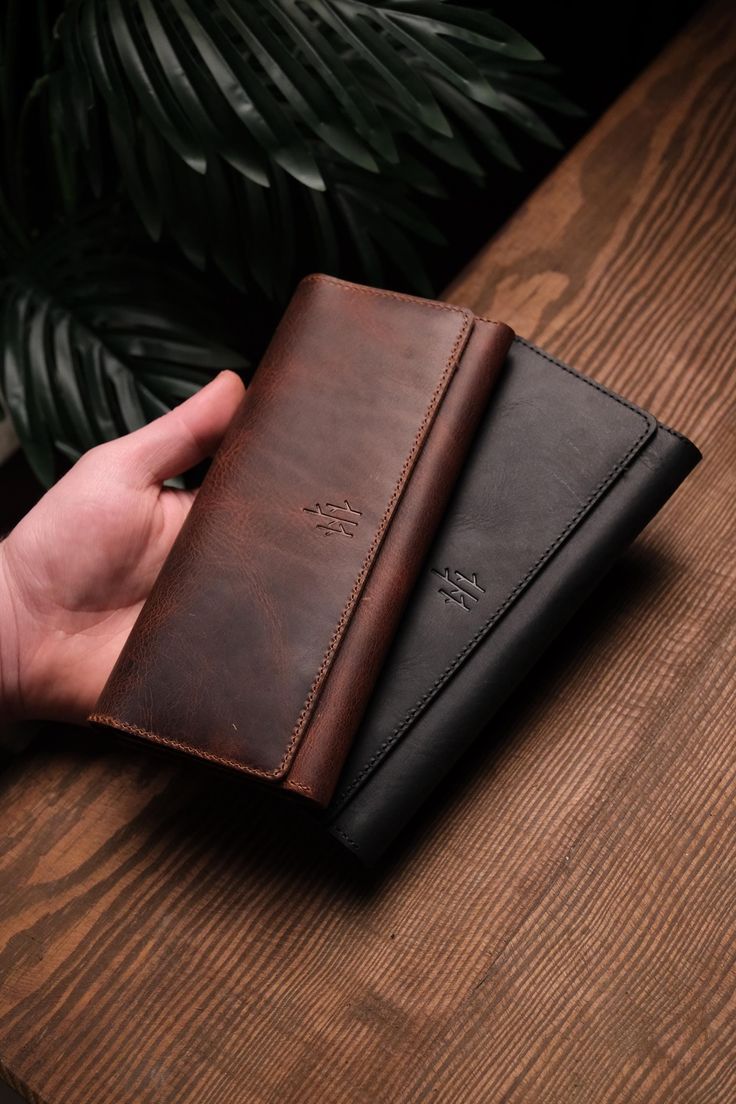
When evaluating leather for bags and accessories, check three key factors before finalizing your order:
- Finished Structure: Does the leather stand independently, drape softly, or require internal reinforcement (interfacing)?
- Crafting Details: How do the edges and surface respond after cutting, skiving, folding, and test-stitching?
- Aging & Wear: Is the product meant to maintain a pristine, uniform appearance or gracefully develop a vintage patina over time?
Terms like full grain, corrected grain, or nubuck describe hide structure and surface treatment; they do not automatically guarantee that a leather hide is suitable for your specific bag pattern. Always match technical names with physical samples and test-crafting.
Selection Tip: Before ordering in bulk, craft a sample prototype focusing on the most challenging construction areas: corners, handles, flaps, or internal pocket slots.
Can the Same Leather Be Used for All Three Applications?
Yes, provided the technical specifications and sample testing meet your requirements. A single tannery may supply leather to multiple industries, yet each leather code should still be evaluated against its intended end-use.
A common pitfall is purchasing leather based solely on broad labels like "genuine leather" or "premium leather". These terms do not specify softness, temper, surface finish, or compatibility with your stitching equipment and product structure.
Checklist Before Placing a Bulk Leather Order
Whether manufacturing furniture, shoes, or leather goods, always request the following from your supplier:
- A physical sample matching the exact code, color, and finish of the intended bulk order.
- Detailed information on hide thickness and allowable thickness tolerances.
- Hide measurement standards, delivery specifications, and defect handling policies.
- Care and maintenance guidelines specific to the leather code.
- Relevant lab test results if your product has technical compliance standards.
- Sufficient sample footage to produce a complete prototype.
Frequently Asked Questions (FAQ)
Can furniture upholstery leather be used to make bags?
Yes, it can be used for certain soft, unstructured bags, but prototyping is essential. Leather engineered for furniture upholstery may not retain bag structure or produce clean edges and seams for structured designs.
Is thicker leather always more durable for shoes?
Durability cannot be determined by thickness alone. Performance depends on hide fiber structure, surface finishing, cutting placement, and manufacturing quality. Always perform flex tests on samples rather than relying solely on millimeter thickness.
Should I choose leather by trade name or by physical sample?
Use trade names to narrow down your search, but make your final decision based on physical samples, technical data sheets, and prototype testing. This is the most reliable way to ensure proper fit, color accuracy, and craftability.
Conclusion
The primary distinction among leather for furniture, footwear, and accessories lies in the performance demands of the finished product. Upholstery demands tactile comfort and practical maintenance; footwear requires flex endurance and shape retention; while bags and accessories require the right temper, drape, and edge-finishing capability. Always begin with your end product in mind, request accurate physical samples, and complete prototype testing prior to bulk procurement.